Field Notes - Cape Palliser | Wairarapa
There's something about Cape Palliser that feels wonderfully untamed.
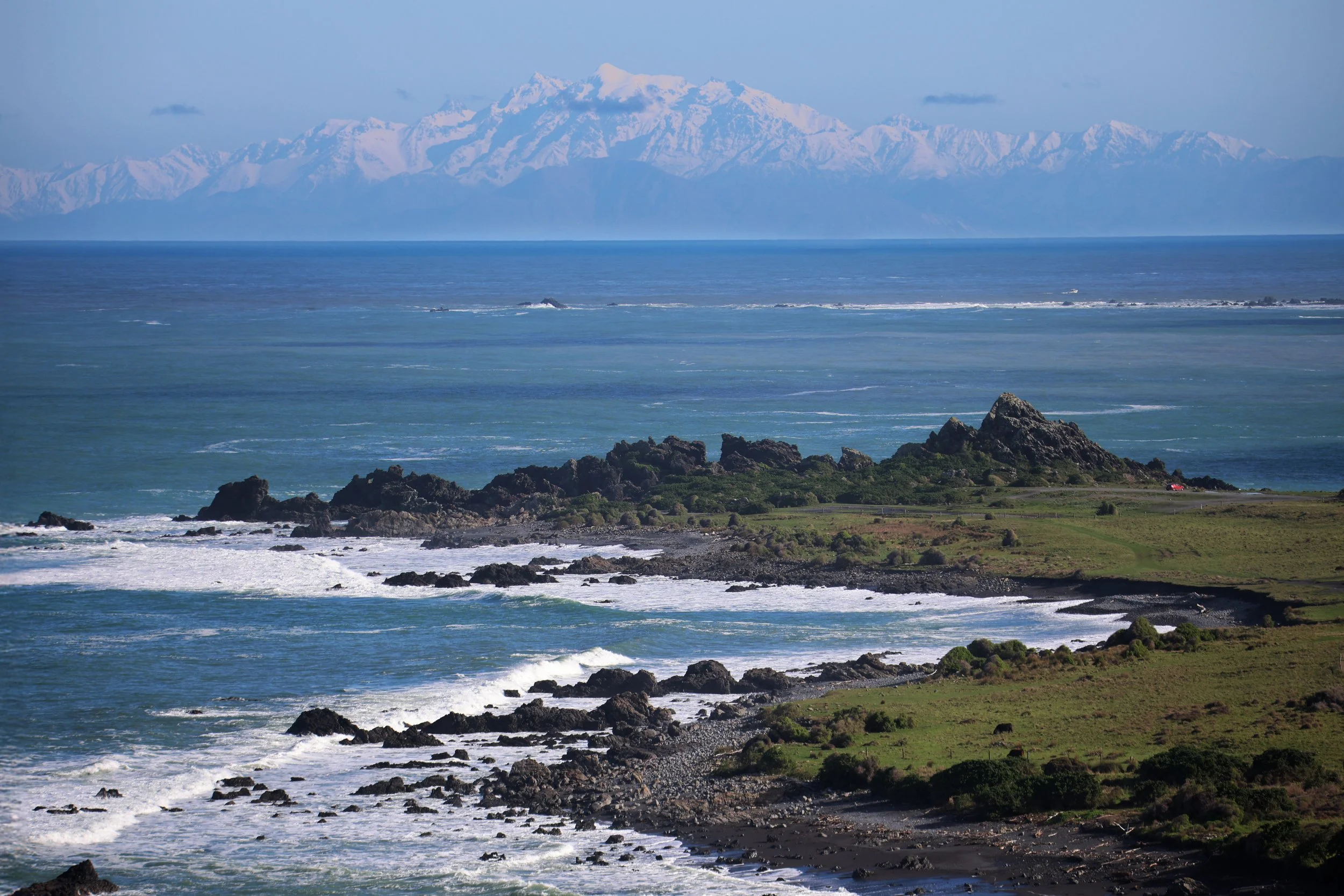
It's a place where the wind carries the salt spray, waves crash relentlessly against the rocky shoreline, and every corner feels shaped by the power of the ocean. The drive itself is part of the experience, winding along Palliser Bay through rugged farmland before reaching the tiny fishing settlement of Ngawi, a village famous for its weathered fishing boats and the collection of bulldozers and tractors that haul them safely in and out of the surf. It's unlike anywhere else in New Zealand and somehow perfectly suits the wild character of the coast.
For photographers, it's impossible to know where to point the camera first. Dramatic cliffs, endless sea, colourful fishing boats, and perhaps most famously, New Zealand's largest North Island fur seal colony all compete for attention.
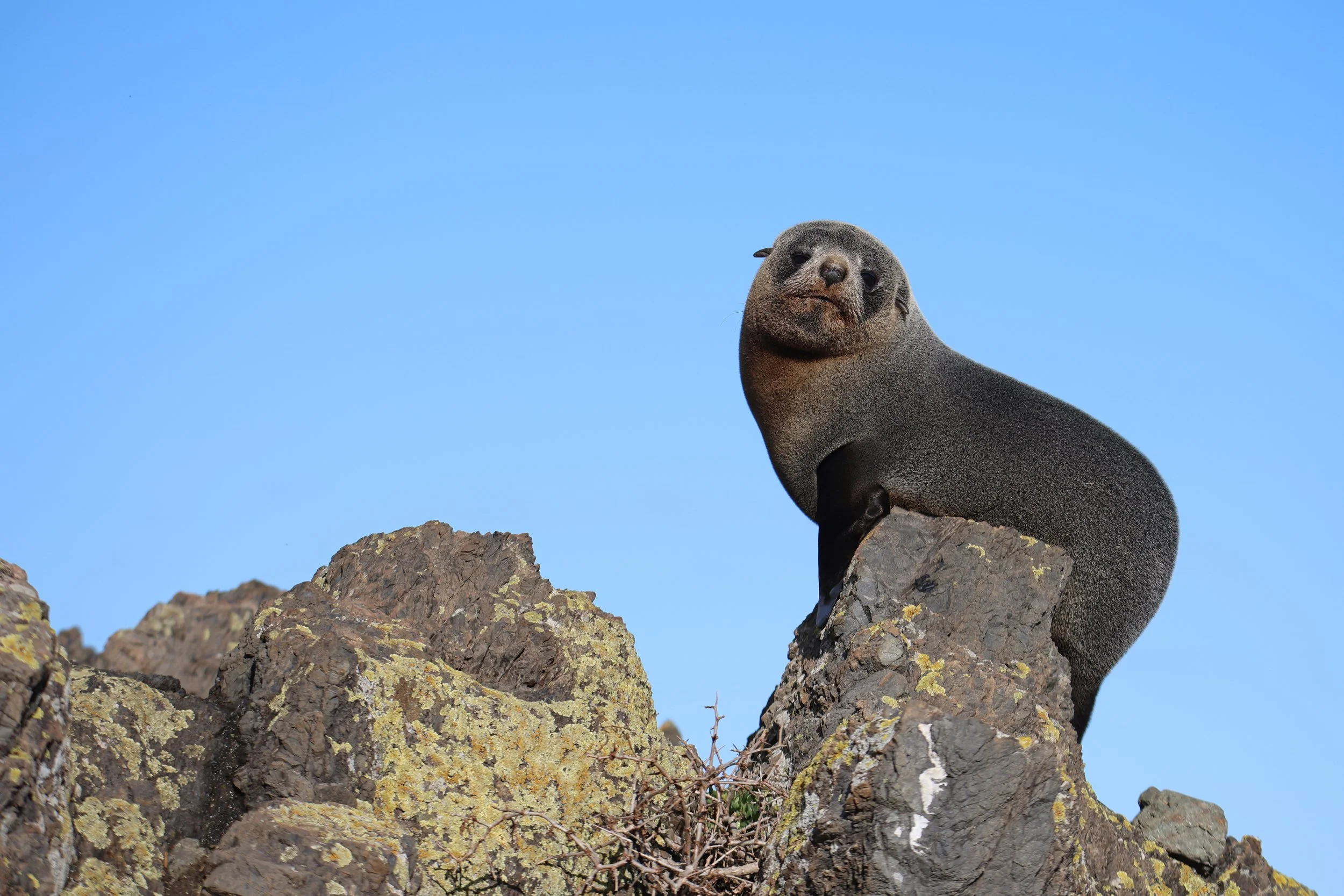
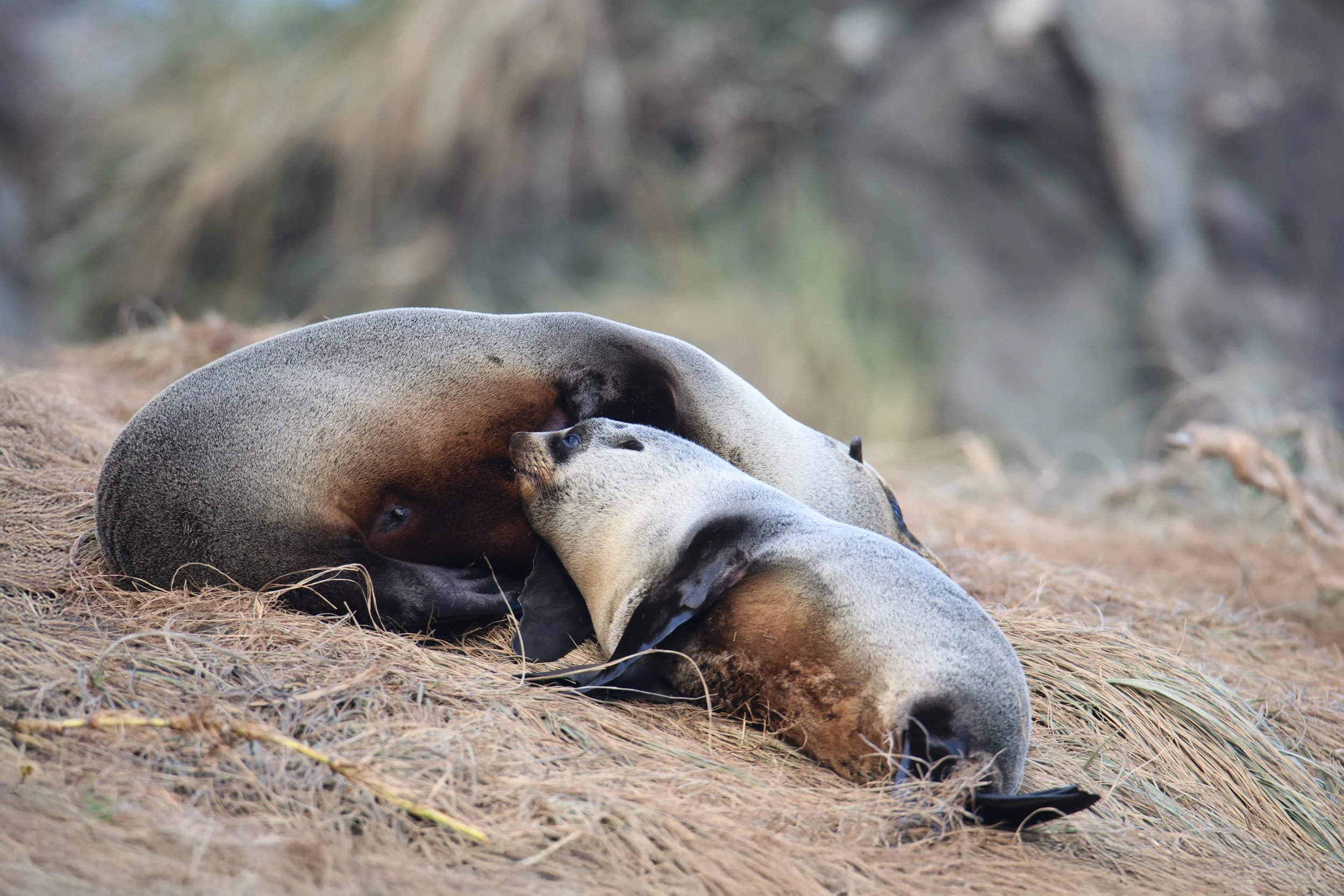
Visiting during winter brings one of the colony's most delightful sights.
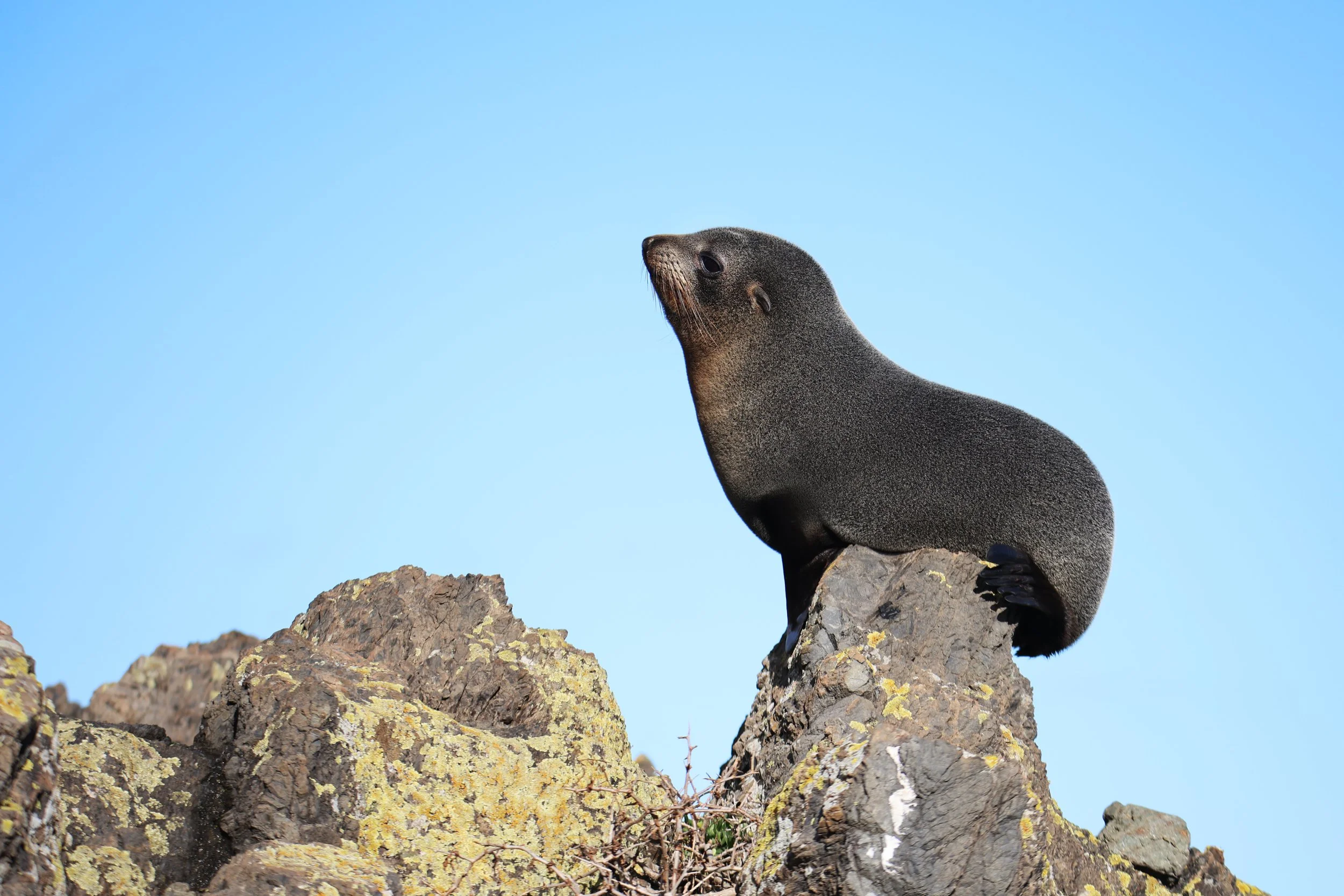
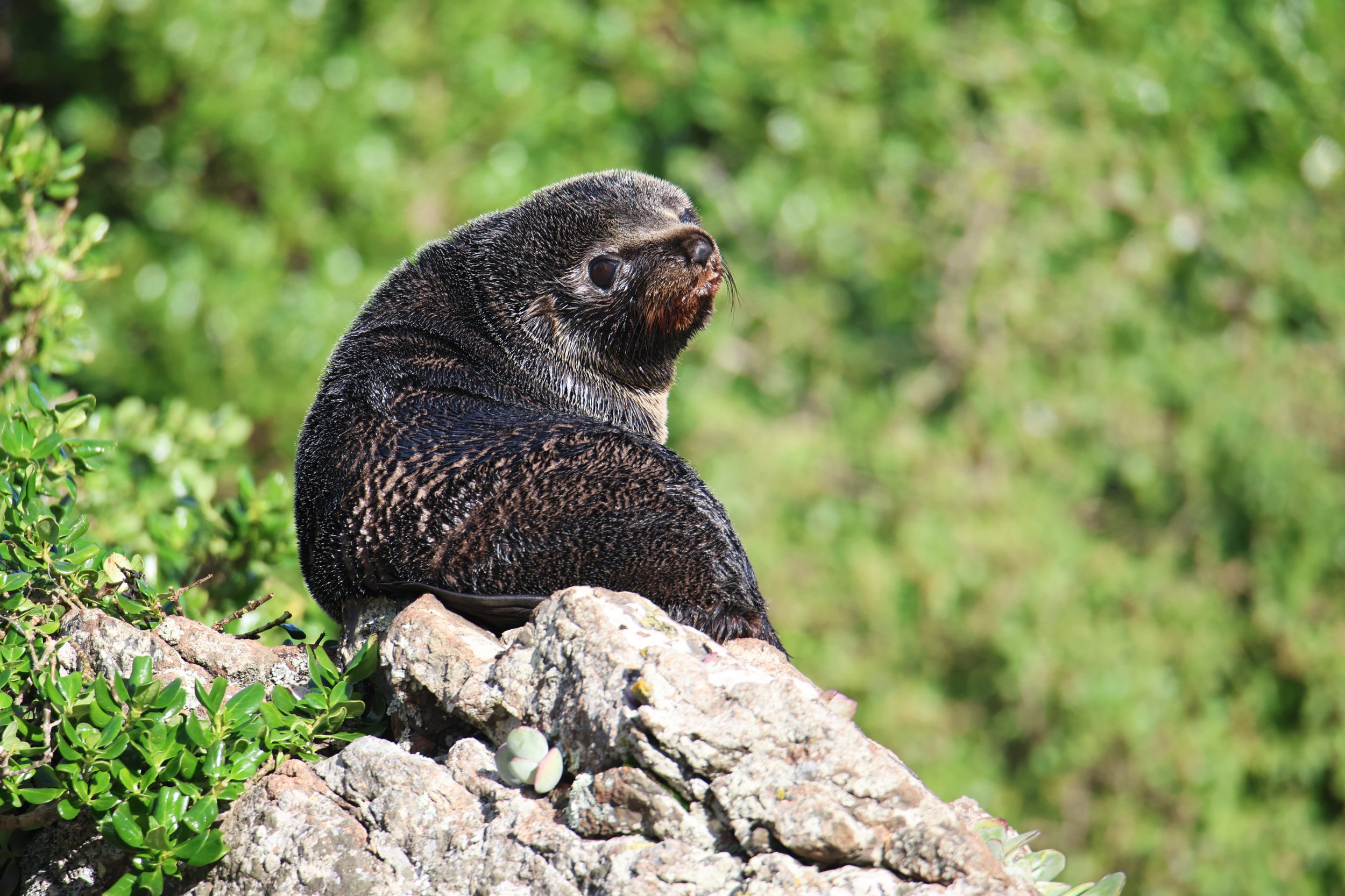
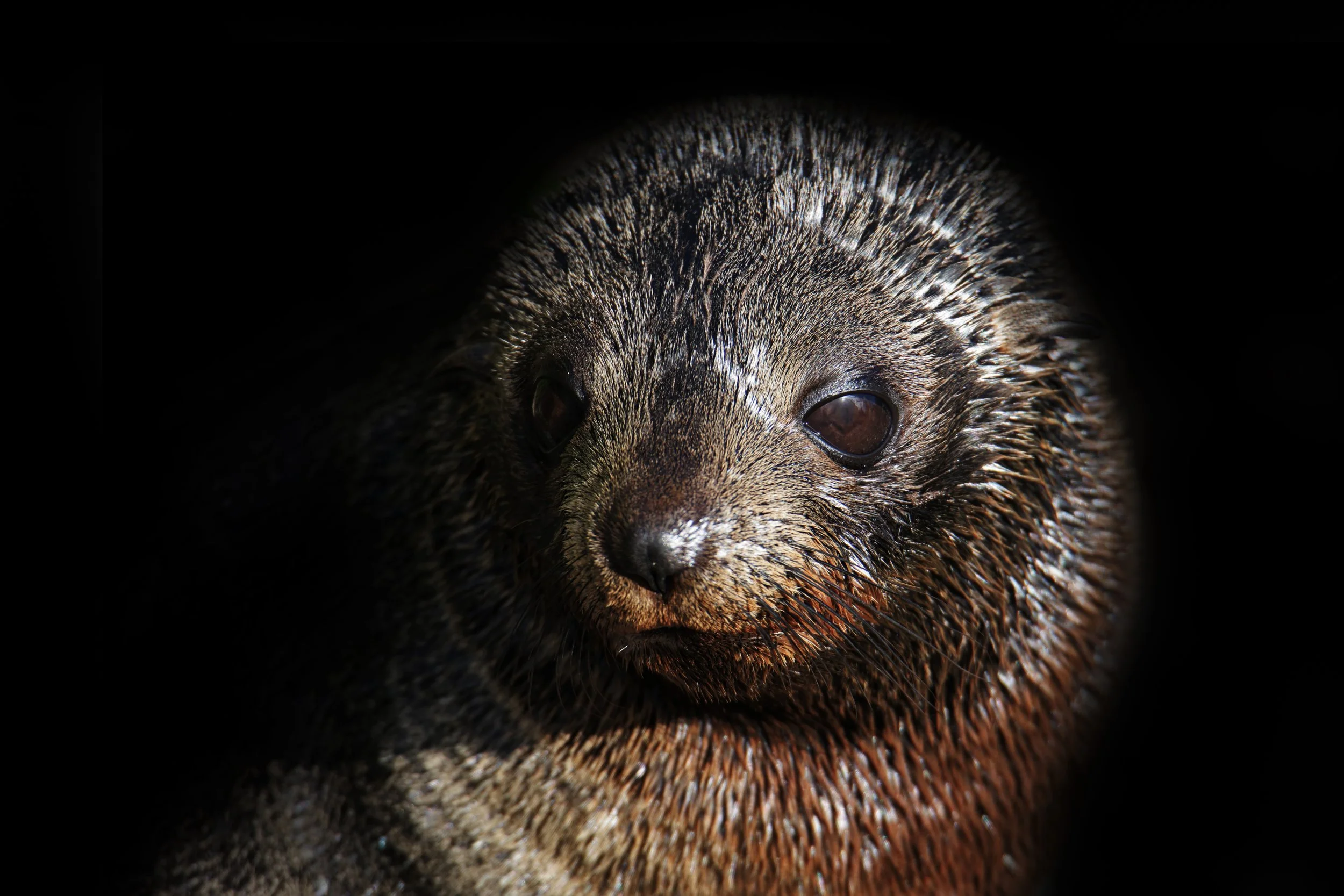
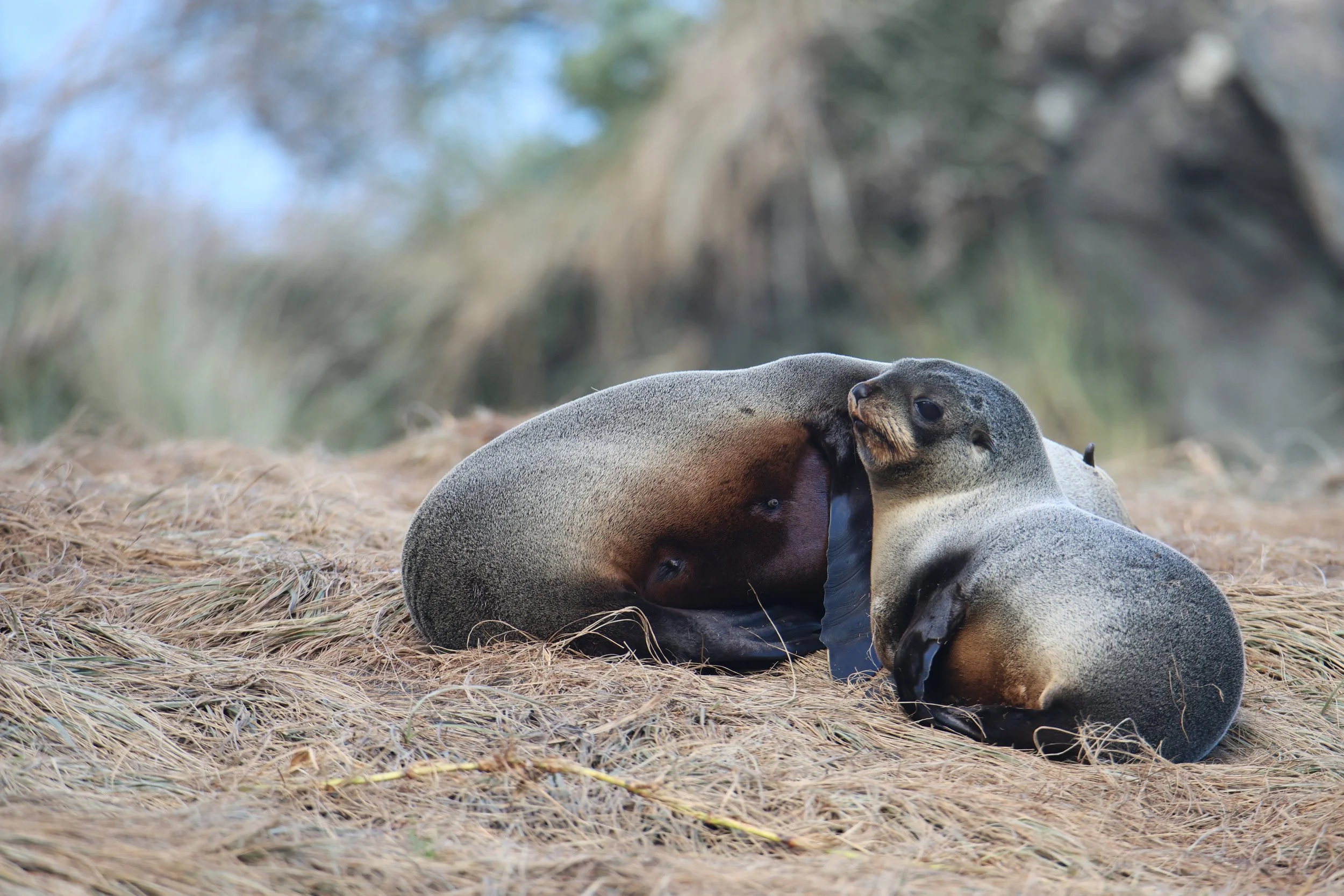
Scattered amongst the rocks are groups of curious young New Zealand fur seals (Arctocephalus forsteri), gathering together like children at a playground. While their mothers head out to sea to feed, the pups spend hours exploring rock pools, splashing through the shallows, chasing one another around the boulders and collapsing into sleepy piles to bask in the sunshine.
Watching them, it's easy to forget they're wild animals. Their playful wrestling matches, awkward tumbles and endless curiosity make them incredibly entertaining, yet every behaviour has a purpose. These games help develop the strength, agility and social skills they'll need before eventually learning to hunt for themselves. Mothers return regularly to nurse their pups, recognising them amongst hundreds of others by their unique calls, a remarkable reunion in such a noisy colony.
One of my favourite moments wasn't photographing a dramatic landscape or a sweeping seascape, it was simply sitting quietly and watching the pups interact. Every few minutes another would bound into the water, another would clamber over the rocks looking for friends, and somewhere nearby a mother would return, greeted by the unmistakable calls of her waiting youngster.
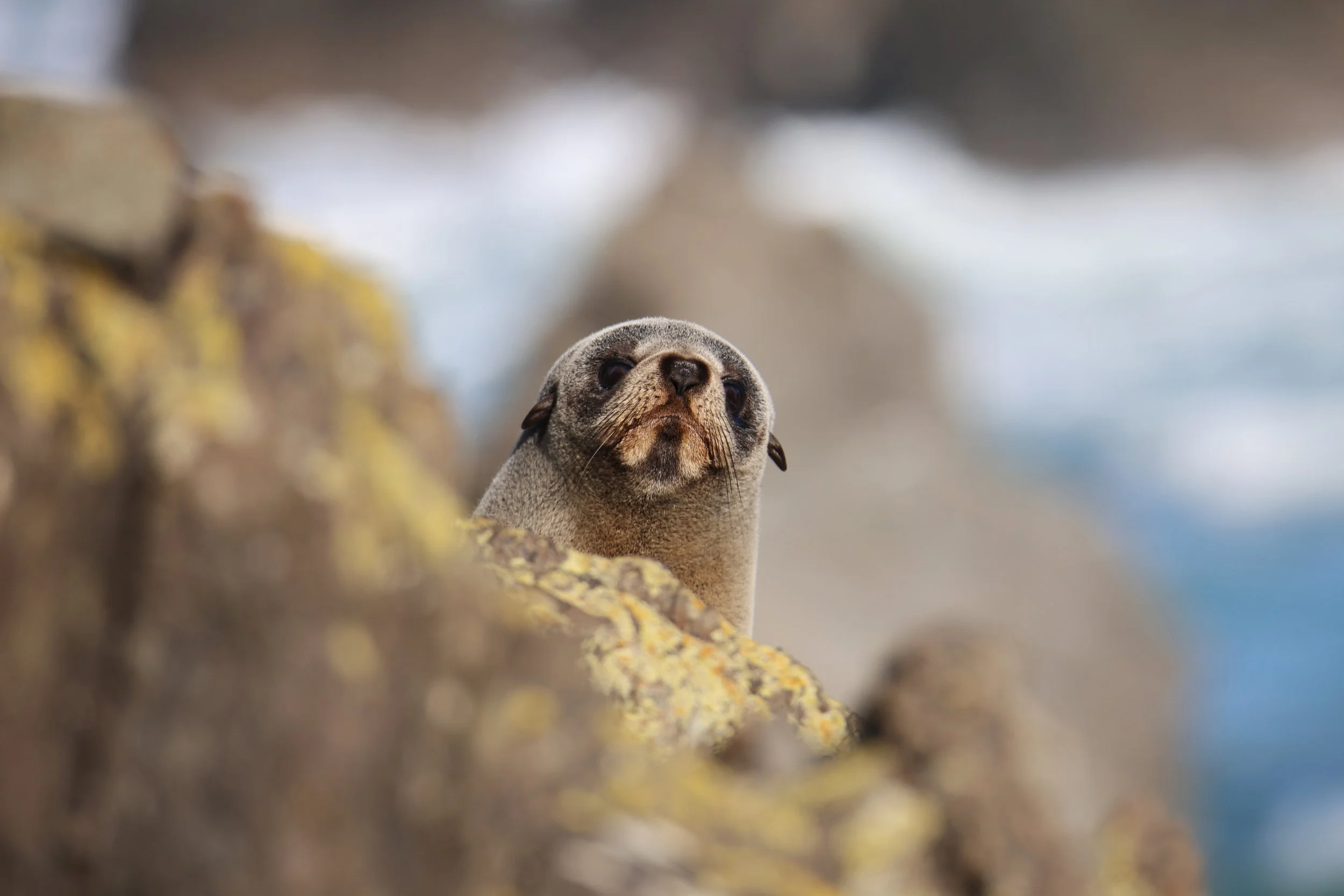
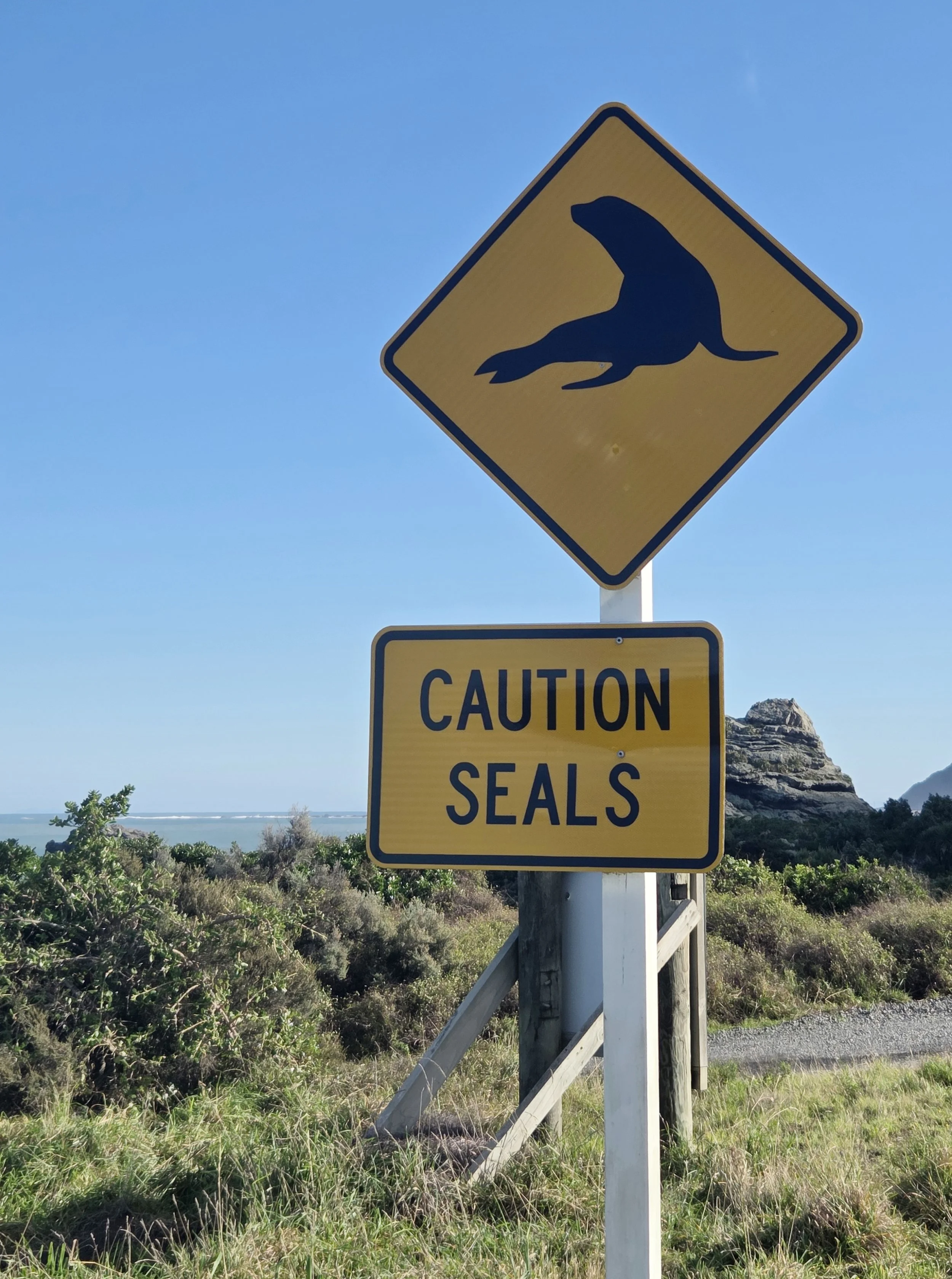
For many years New Zealand fur seals were hunted extensively for their dense waterproof pelts and oil. By the early 1800s their numbers had crashed, with colonies disappearing from many parts of New Zealand. Thankfully, legal protection and decades of conservation have allowed populations to recover, and today colonies like Cape Palliser are wonderful reminders of nature's resilience. While their conservation status has improved significantly, they remain protected marine mammals, and visitors should always admire them from a respectful distance, allowing them to rest undisturbed.
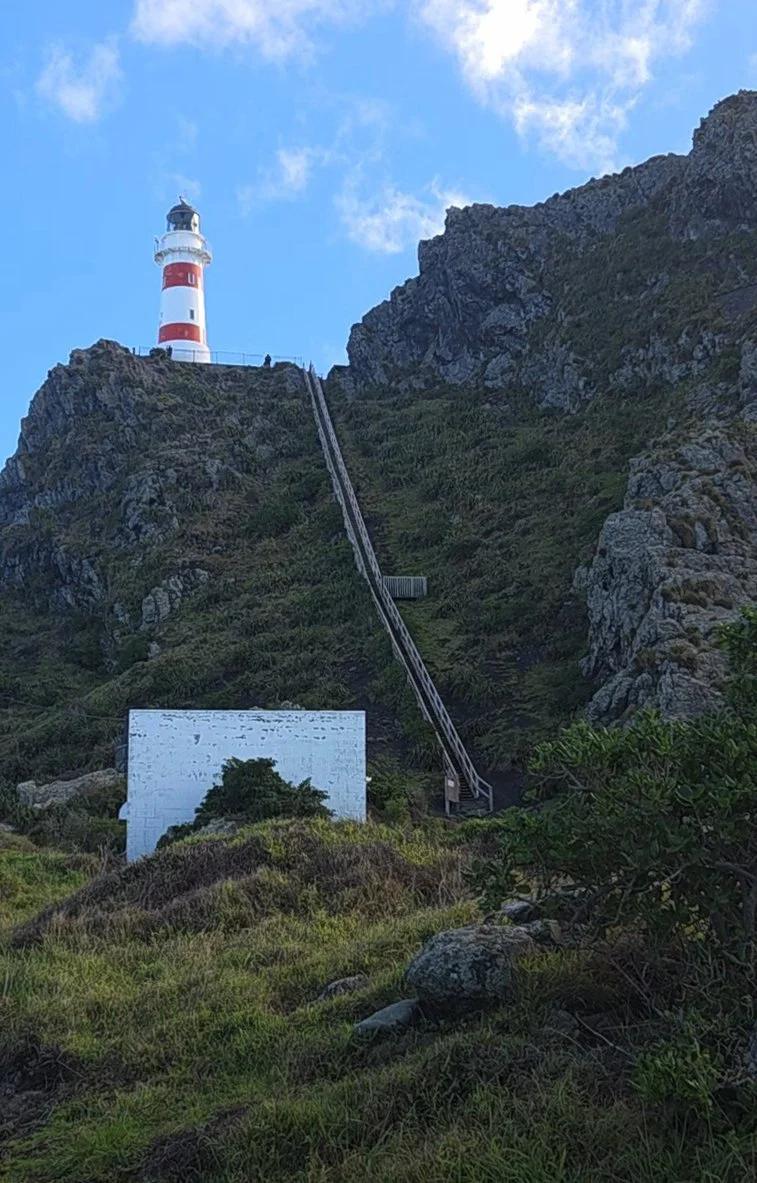
A visit to Cape Palliser isn't complete without tackling the climb to the lighthouse.
The distinctive red-and-white striped lighthouse has watched over this coastline since 1897, warning ships away from one of New Zealand's most treacherous stretches of water. Before the lighthouse was built, numerous vessels were lost in the powerful winds and currents of Cook Strait, and even just months before it first shone its light, another ship was wrecked nearby.
The climb itself has become something of a local challenge.
Today, 258 wooden steps lead visitors to the lighthouse, replacing the steep dirt track that lighthouse keepers once climbed every day. Built in 1912, the staircase made life considerably safer for those stationed here, although hauling supplies to the top was still no easy task. Standing 78 metres above sea level, the lighthouse offers breathtaking views across Palliser Bay and, on a clear day, all the way to the South Island. The original Fresnel lens installed in 1897 remains in service today, and although the lighthouse has been automated since 1986, it continues to guide vessels through these unpredictable waters.