Field Notes - Kaimanawa Horses | Waiouru
There are some places in New Zealand that feel wild in a way that is difficult to put into words.
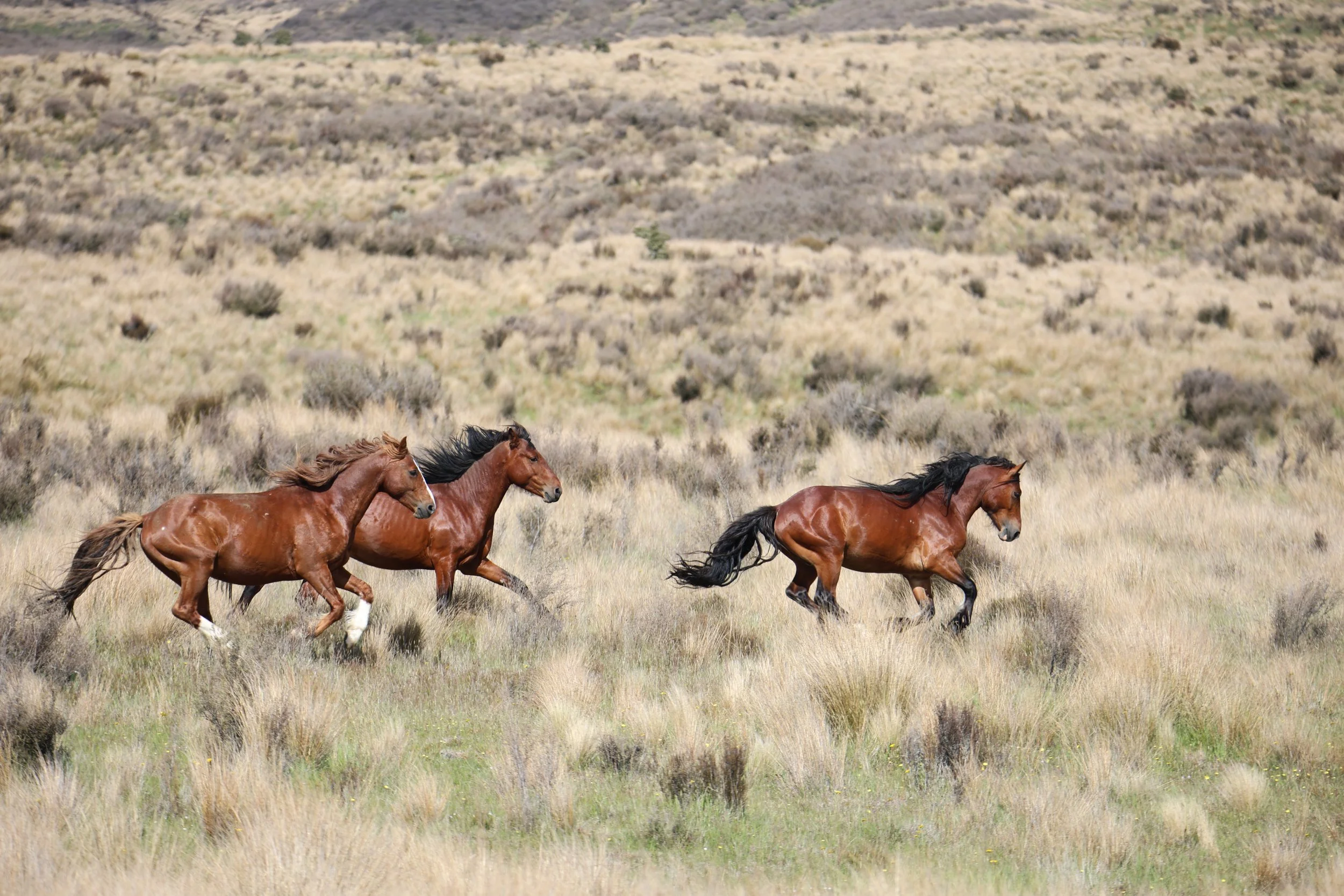
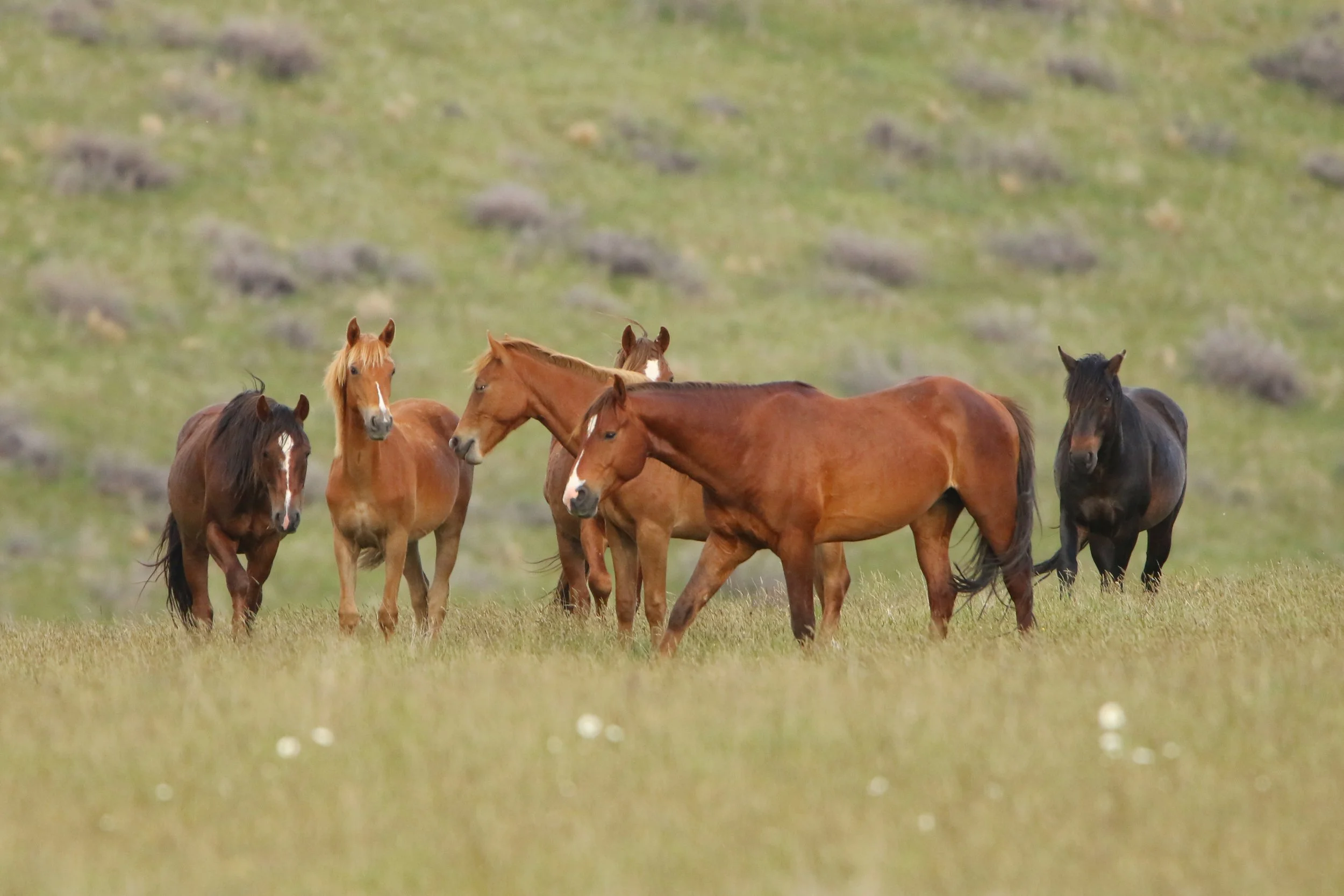
The Kaimanawa Ranges are one of them. Here, amongst the tussock-covered hills and wide open landscapes of the central North Island, wild horses move across the land in family bands. Mares, foals, yearlings and stallions travel together through a landscape that can feel both incredibly vast and surprisingly fragile.
I have been fortunate enough to visit the Kaimanawa Ranges several times, and every trip has left me with a little more appreciation for these horses, and for the complicated story of the land they call home.
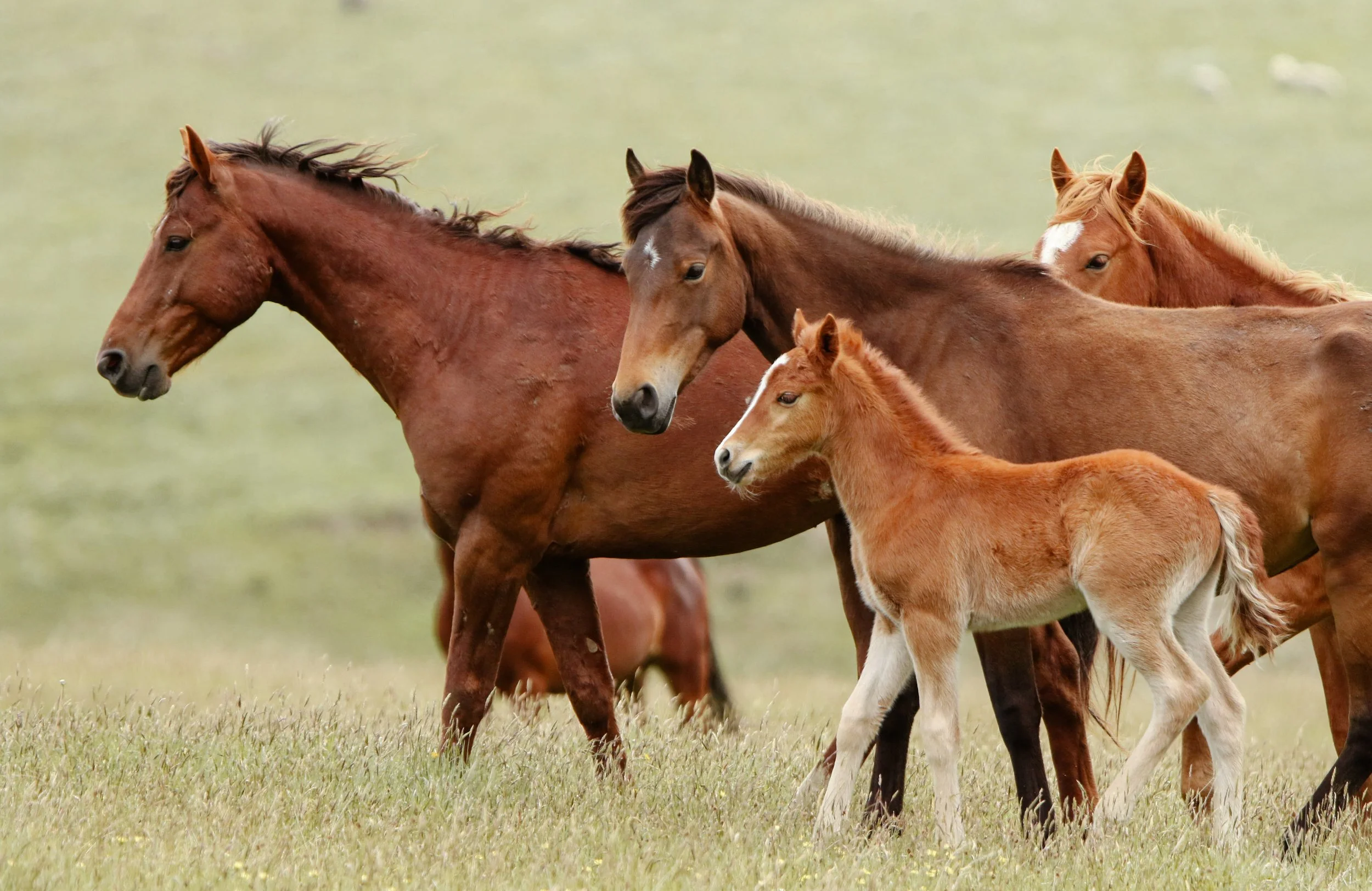
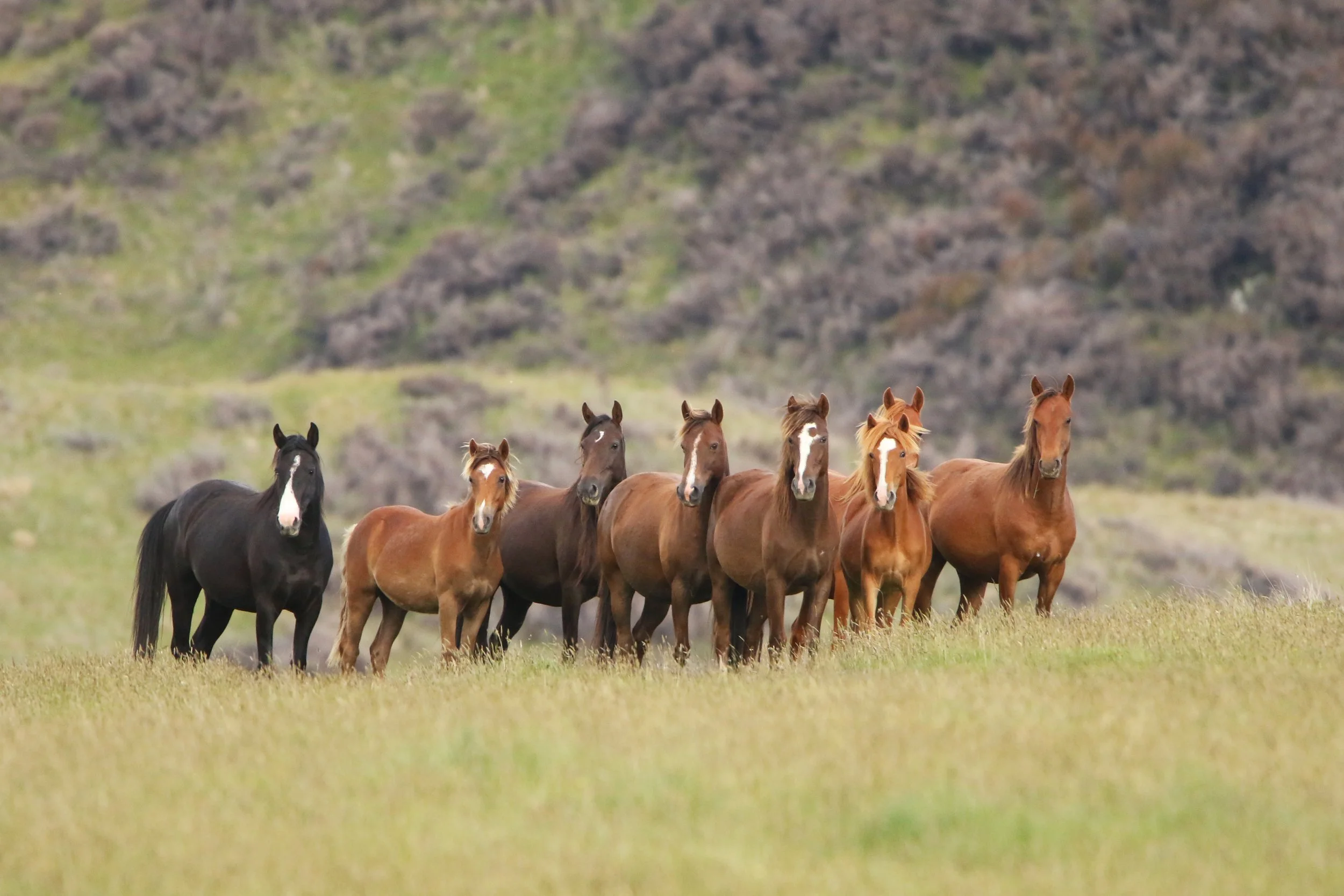
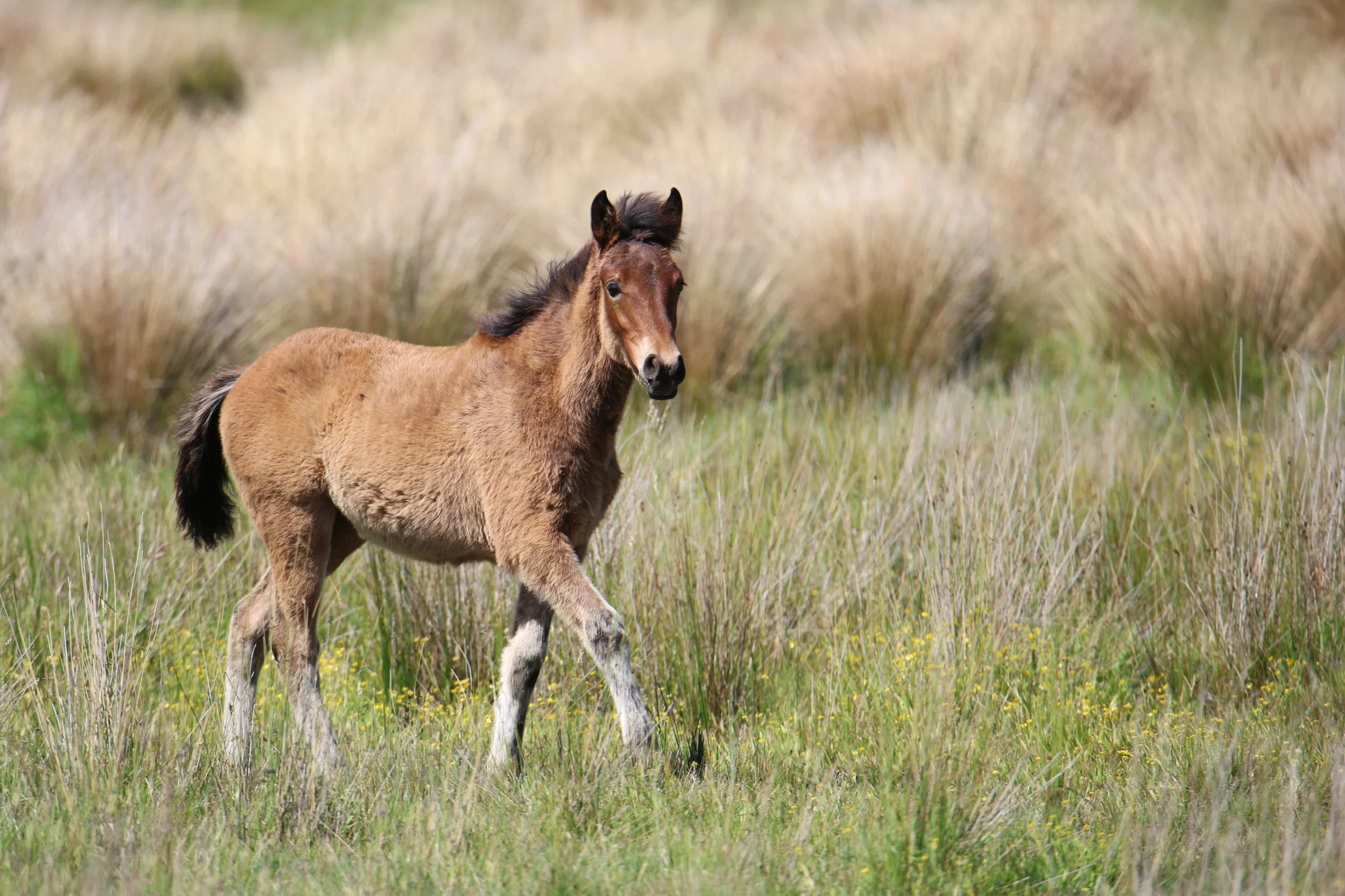
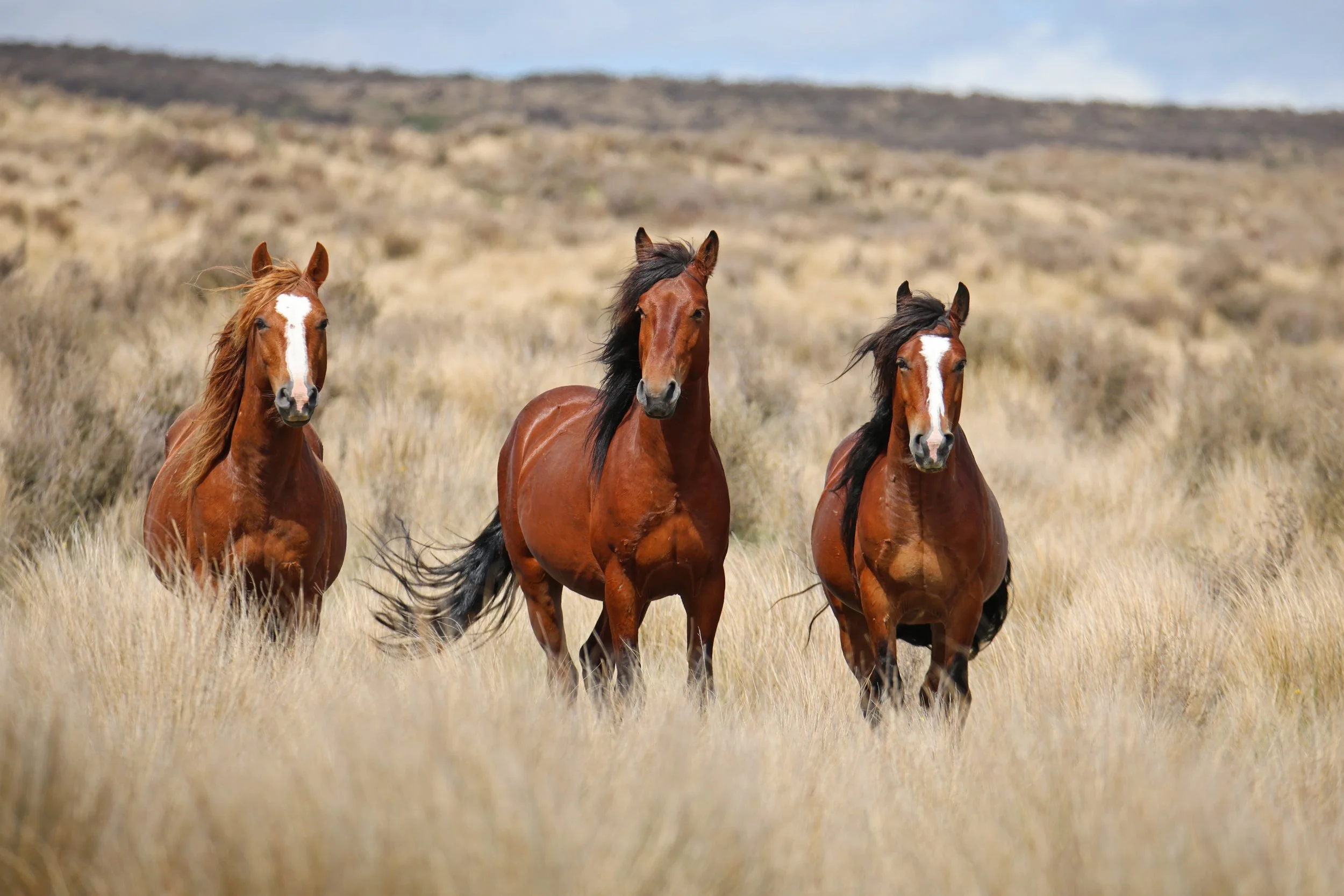
The Kaimanawa horses are not a breed in the traditional sense. They are a population of mixed-breed horses whose history stretches back well over a century. Wild horses were first recorded in the Kaimanawa Ranges in 1876. Their ancestry includes Exmoor and Welsh Mountain ponies, with other influences arriving over the years from horses that escaped or were released into the central North Island. Thoroughbreds, Arabians, Standardbreds and Clydesdales have all contributed to the genetic mix found within the population today.
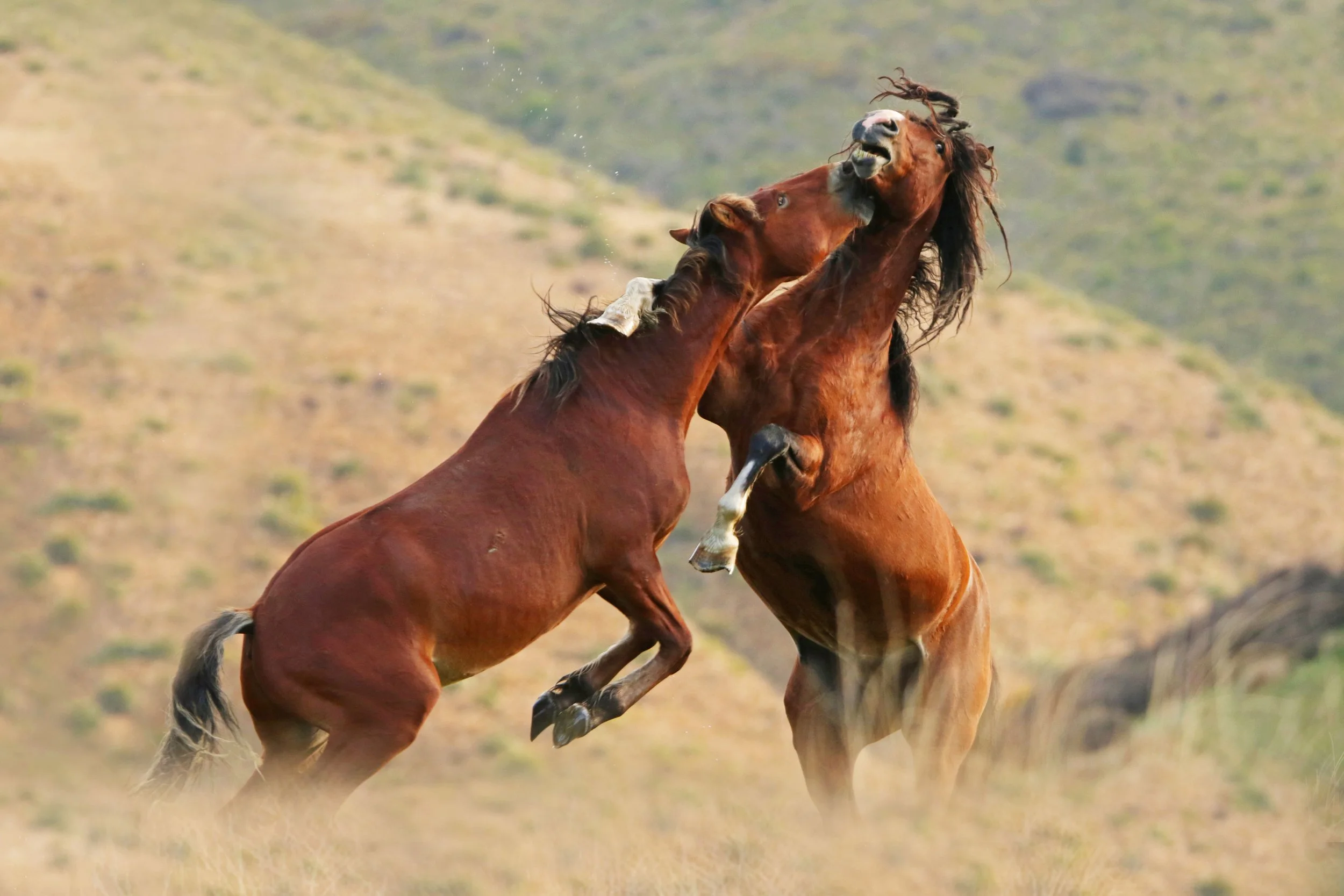
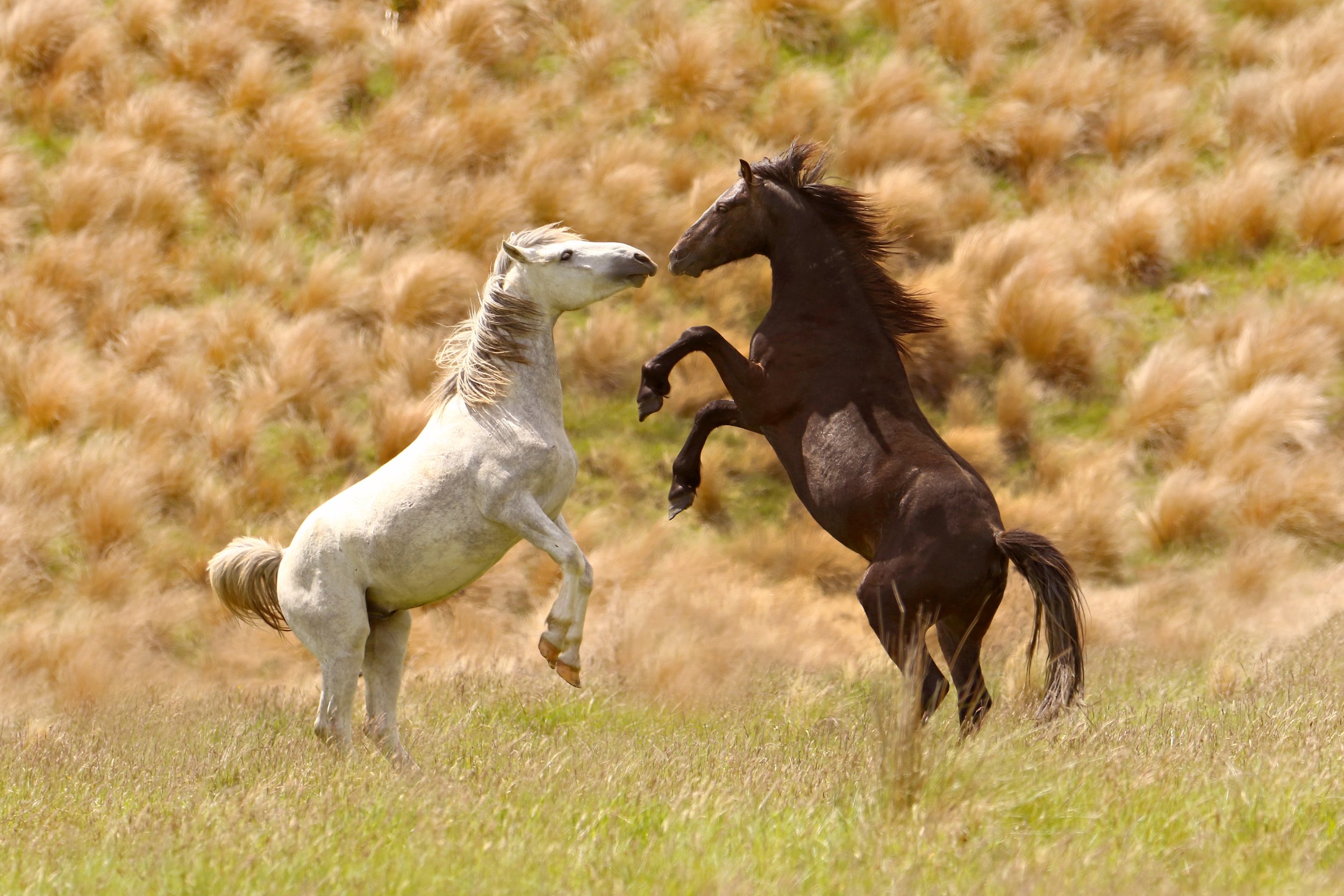
The result is a remarkably varied group of horses. Spend enough time looking at them and you begin to notice the differences between bands, different shapes, colours, sizes and characteristics. But perhaps one of the most recognisable things about a Kaimanawa isn't what they look like. It is how they behave.
These are wild horses. They have grown up without the fences, stables, halters and human handling that domestic horses know from birth. They live according to their own social structures, moving through the ranges in family groups and adapting to an environment that can be unforgiving and that wildness is something worth protecting.
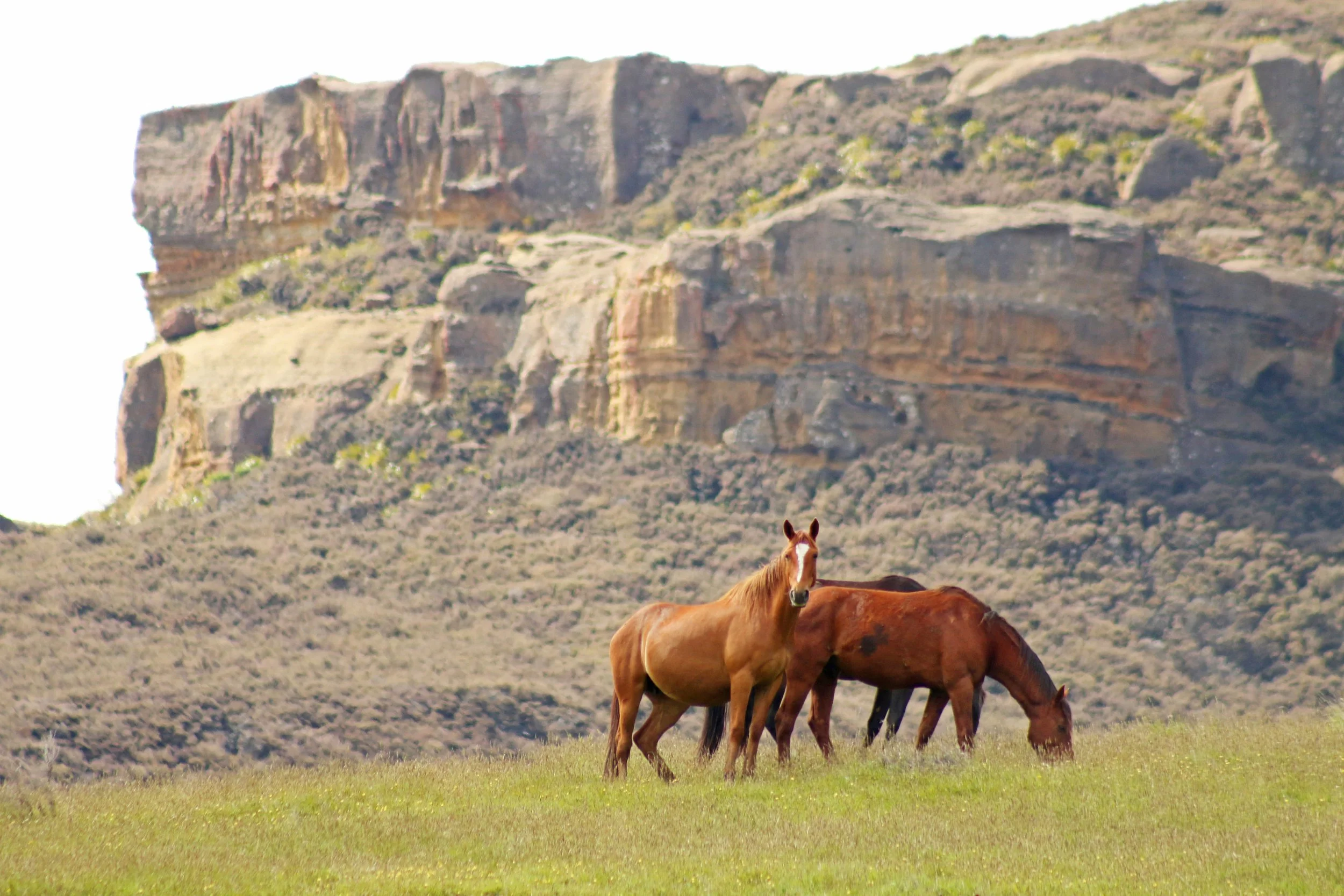
It can be easy, when looking across the huge expanse of the Kaimanawa Ranges, to assume that there is plenty of room for everything.
But this landscape is much more fragile than it first appears.
The high-country tussocklands and wetlands contain plant communities that have disappeared from much of New Zealand. The area is home to threatened plant species, including some found nowhere else. When horse numbers became very high, grazing and trampling placed considerable pressure on these plants and the wider ecosystem.
And this is where the story of the Kaimanawa horses becomes complicated. It isn't simply a matter of protecting the horses or protecting the land.
Both matter.
The challenge is finding a way for a healthy population of wild horses to exist alongside an ecosystem that cannot support unlimited numbers.
Population management is therefore an important part of protecting the herd. The current management approach includes population counts, mustering, rehoming surplus horses and, increasingly, the use of immunocontraception to help slow population growth. The goal is to maintain a sustainable wild herd while protecting the unique environment they live in.
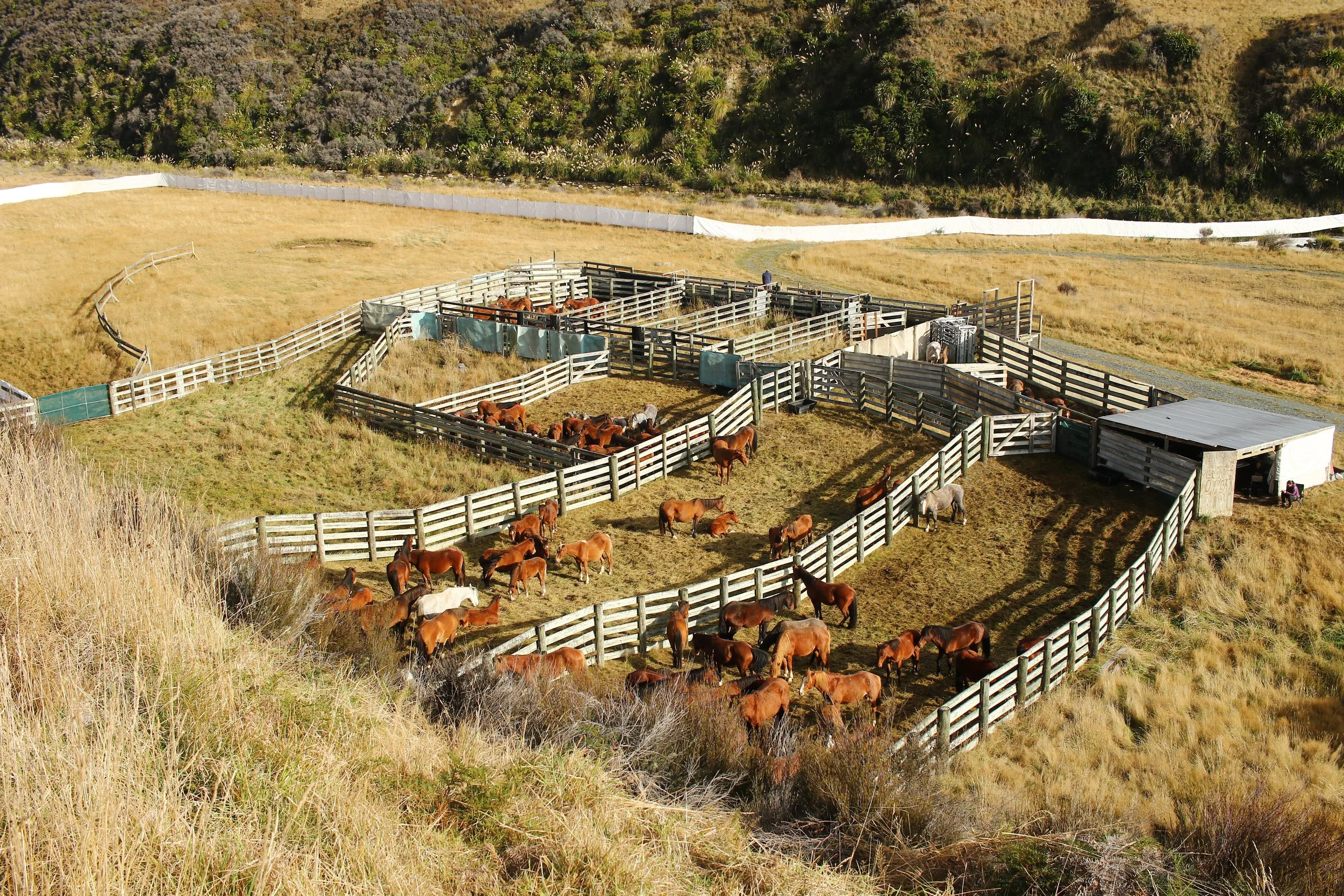
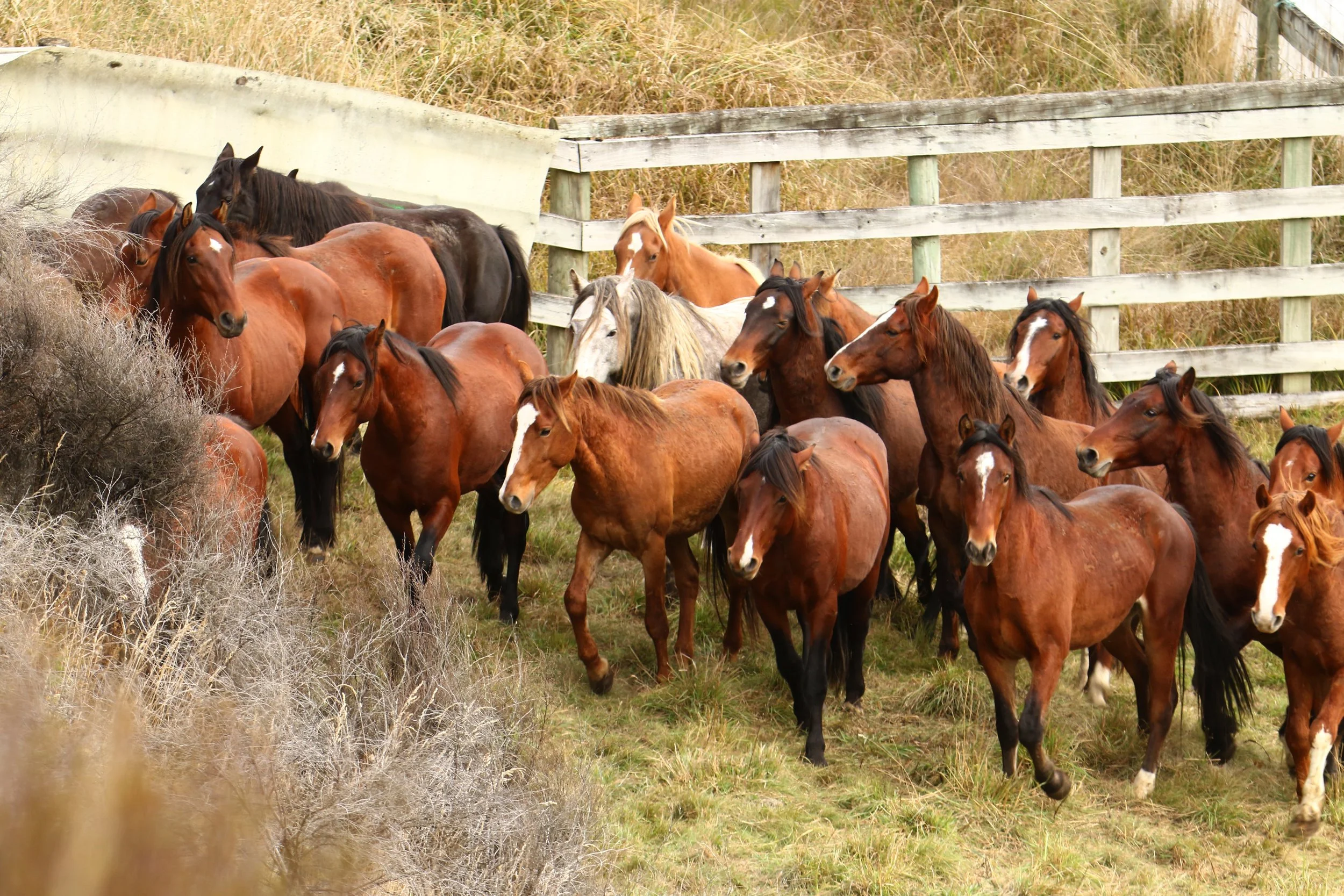
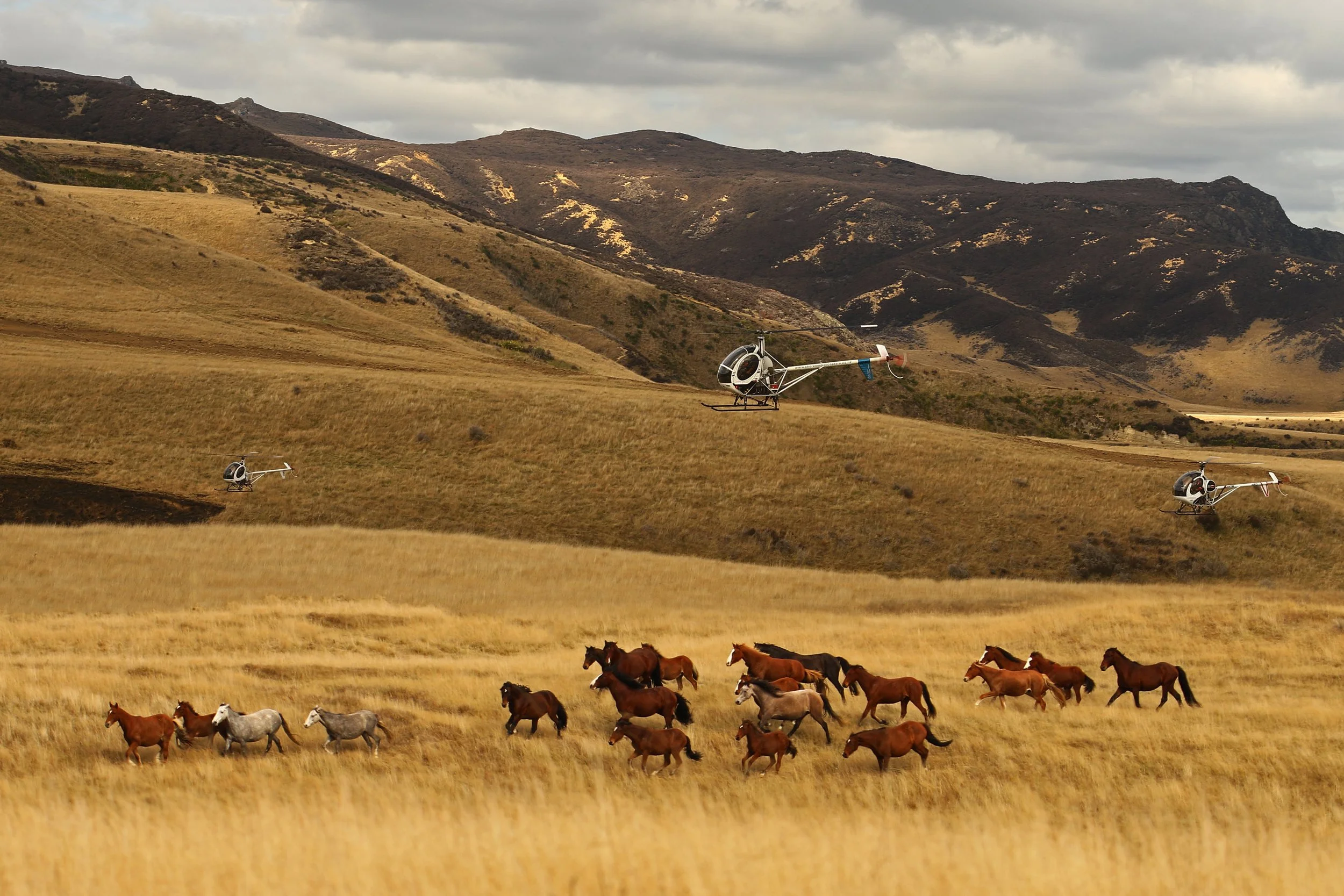
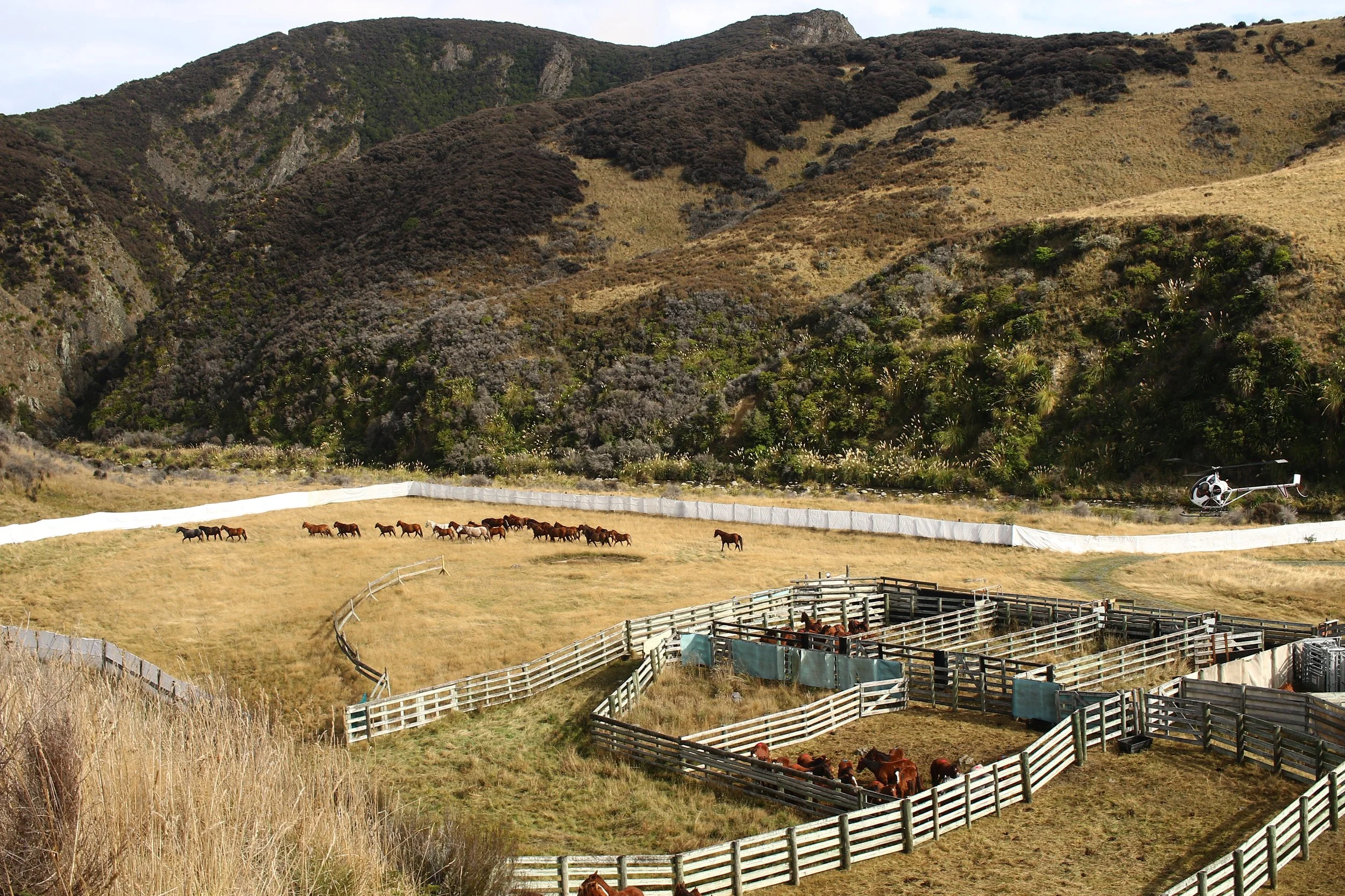
The Kaimanawa population once numbered in the thousands. As horse numbers increased and their impact on the environment became more apparent, management of the herd became increasingly necessary. The first official muster took place in 1993, and the following years were particularly difficult for the horses. Large numbers were removed from the ranges, with many ultimately sent to slaughter. The scale of those early musters sparked enormous public concern and helped drive the formation of organisations dedicated to finding a better outcome for the horses.
One of those organisations was Kaimanawa Heritage Horses. What began in 2003 with a small group of people asking how they could prevent the slaughter of Kaimanawa horses has grown into an organisation dedicated to their welfare both in the wild and once they leave the ranges.
Today, KHH works alongside the wider Kaimanawa Wild Horse Advisory Group and other organisations involved in the management of the herd. Their work includes finding suitable homes, carrying out home checks, supporting new owners and providing ongoing welfare assistance for Kaimanawa horses throughout their lives.
It is easy to think of rehoming as simply finding somewhere for a horse to go. It is so much more than that.
A wild horse needs an owner who understands what they are taking on. A horse that has never been handled cannot simply be expected to behave like a domestic horse. The transition from the ranges to a paddock, a float and eventually a relationship with people takes patience, knowledge and time. The work of KHH helps make that transition possible.
And when you see these horses out on the ranges, completely at home in their environment, that responsibility becomes very real.
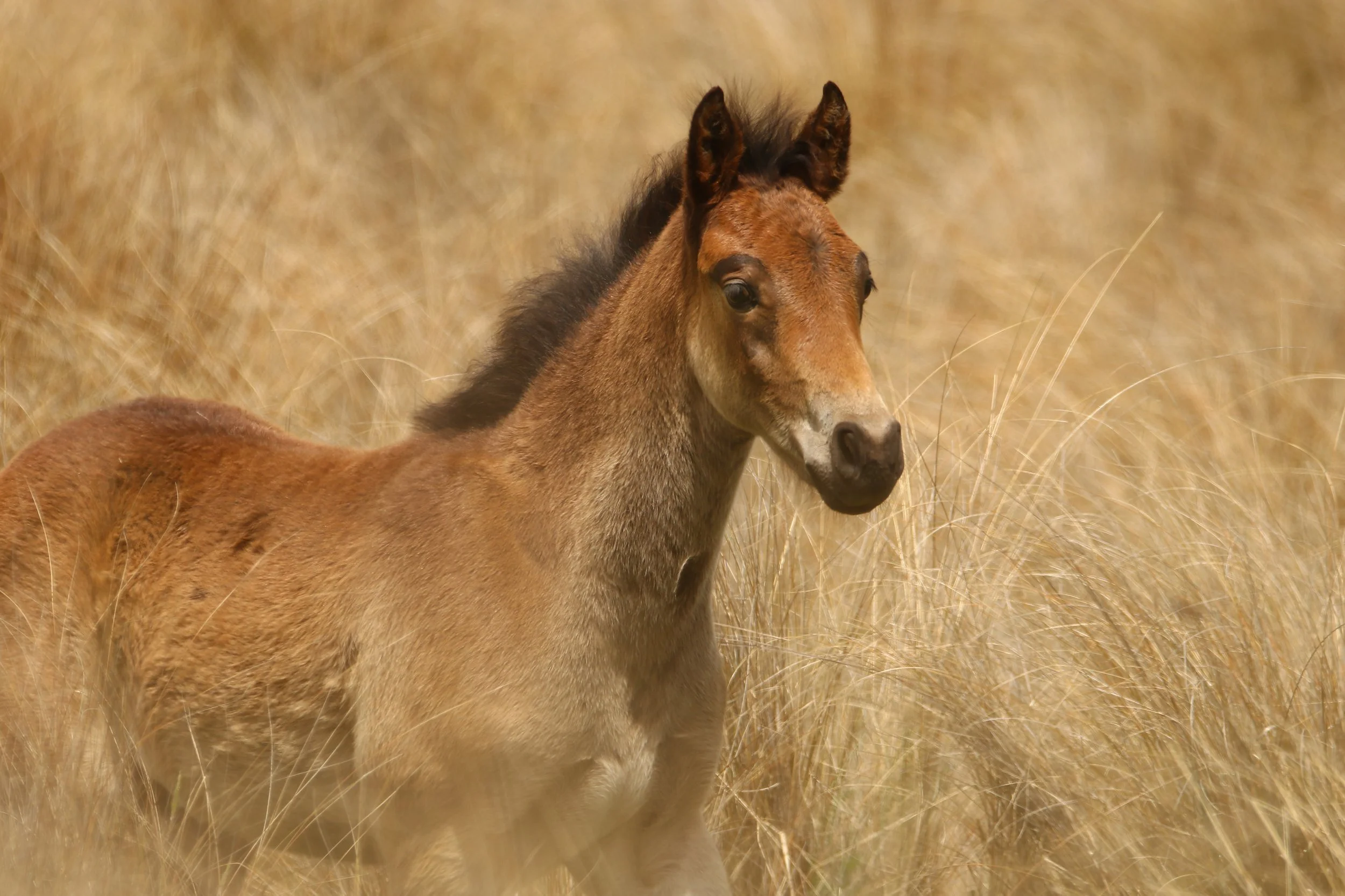
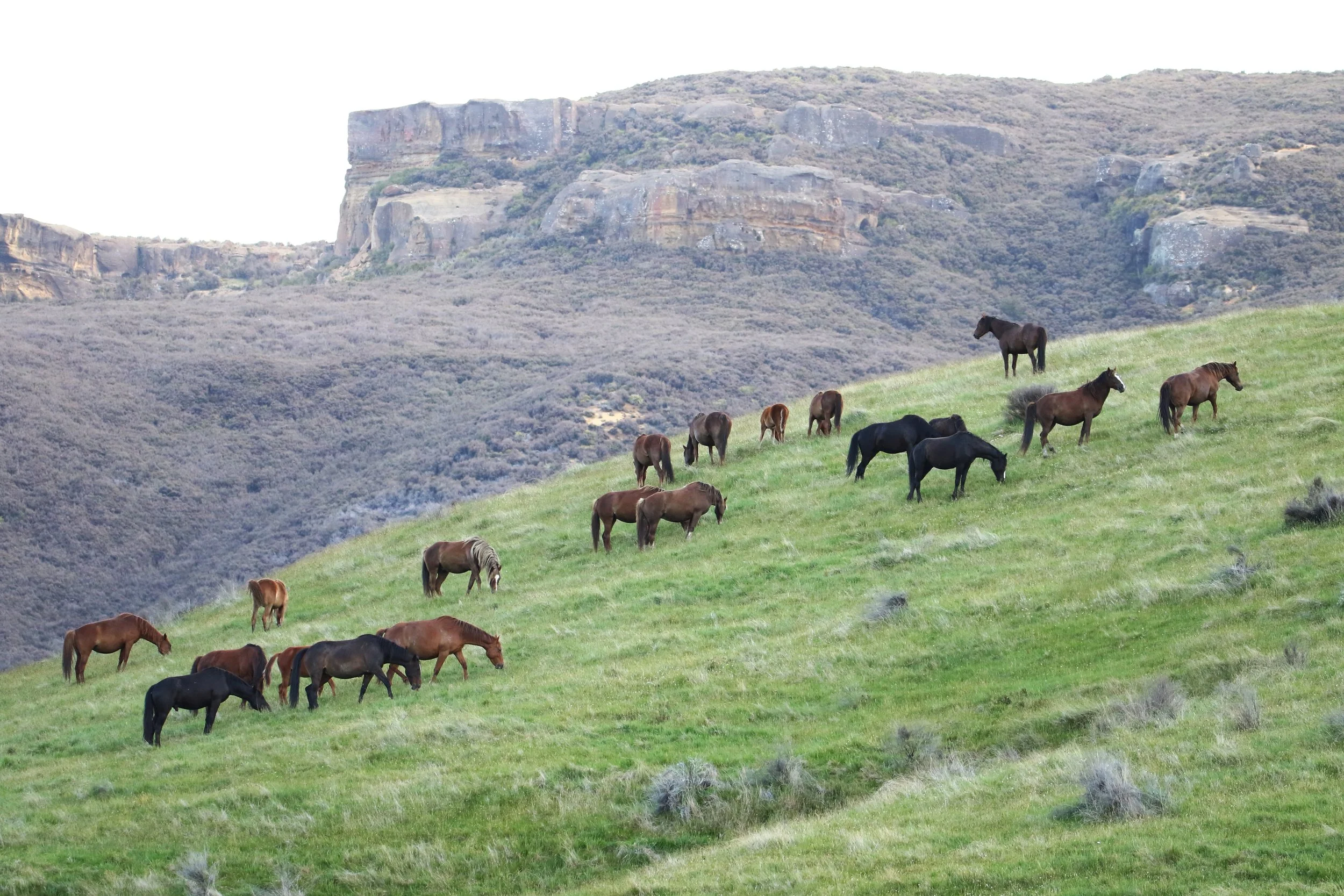
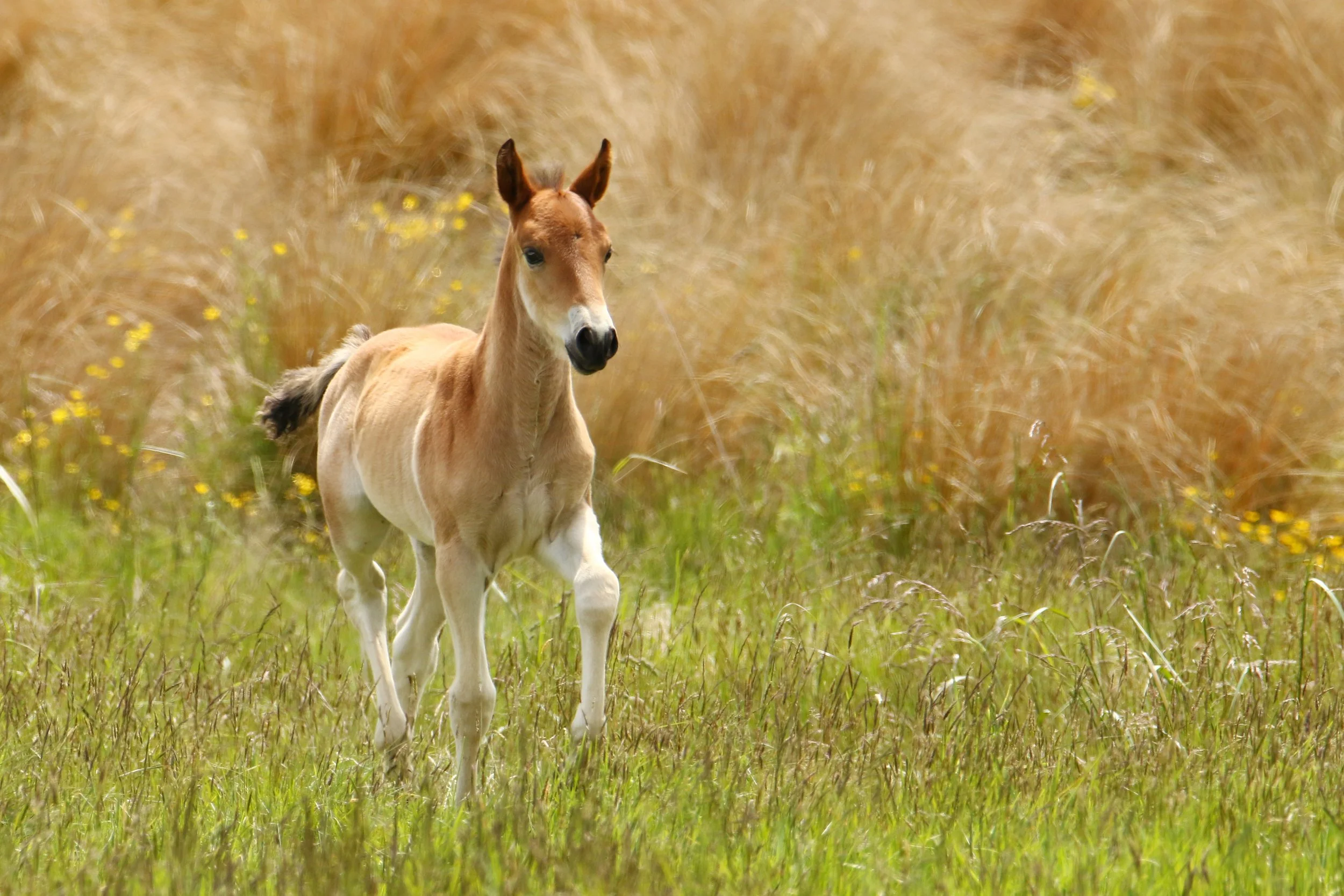
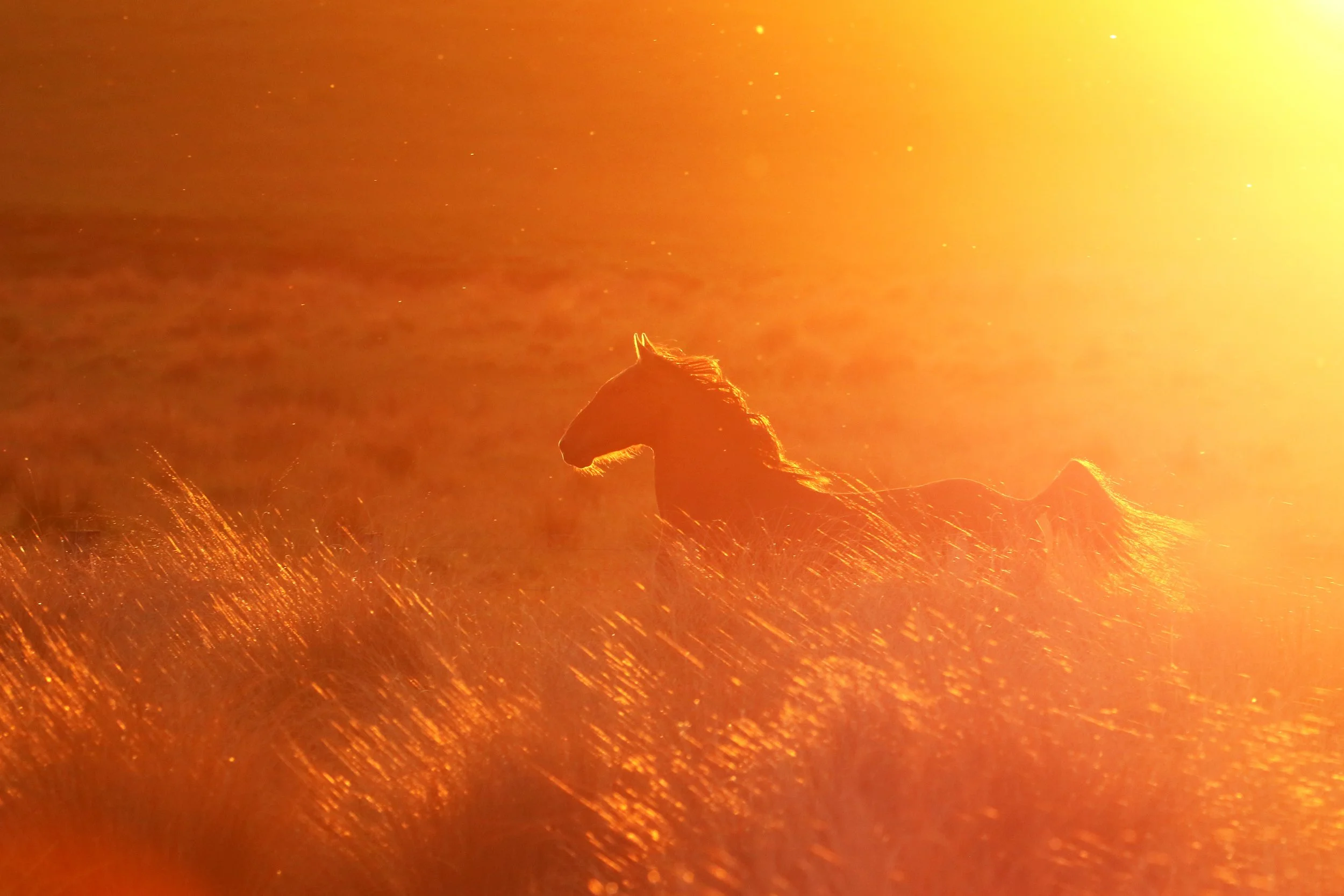
One of the most special things about visiting the Kaimanawa Ranges is that you aren't seeing these horses in a paddock. You're seeing them at home.
On my trips into the ranges, I've spent time watching bands of horses moving through the landscape, photographing foals alongside their mares, stallions keeping watch over their families and young horses beginning to explore the world around them. The tussock, the mountains, the weather and the enormous sky all tell part of the story. A horse standing alone on a hillside can look almost impossibly small against the scale of the country around it, while a family band moving together suddenly makes the landscape feel alive.
And sometimes the best photographs are the ones where you simply stop taking photographs.
You watch.
You listen.
You let the horses decide how close they want to be.
Because ultimately, this isn't a zoo encounter or a photo opportunity created for us. It is a chance to quietly observe an animal living as it has for generations.
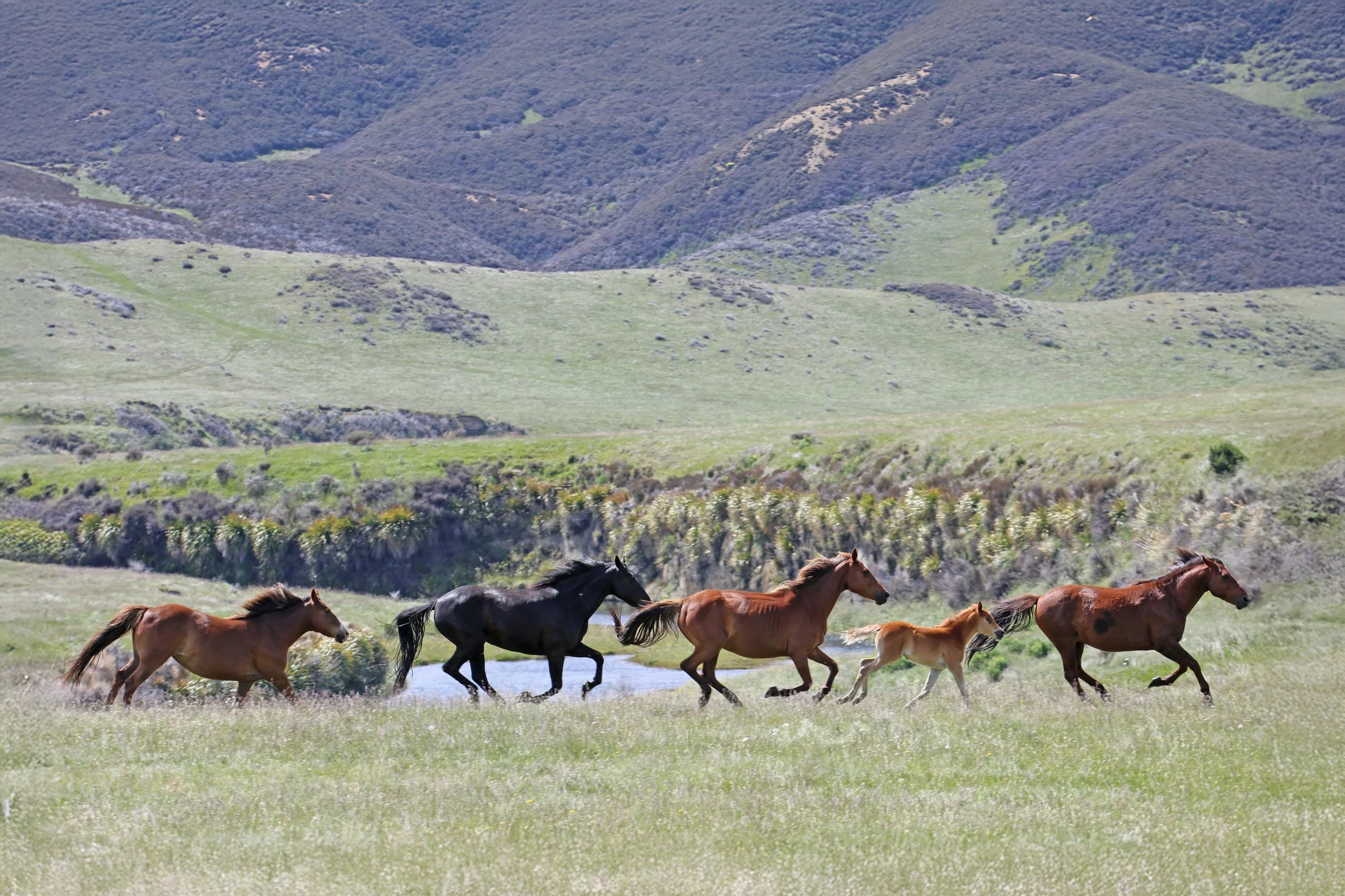
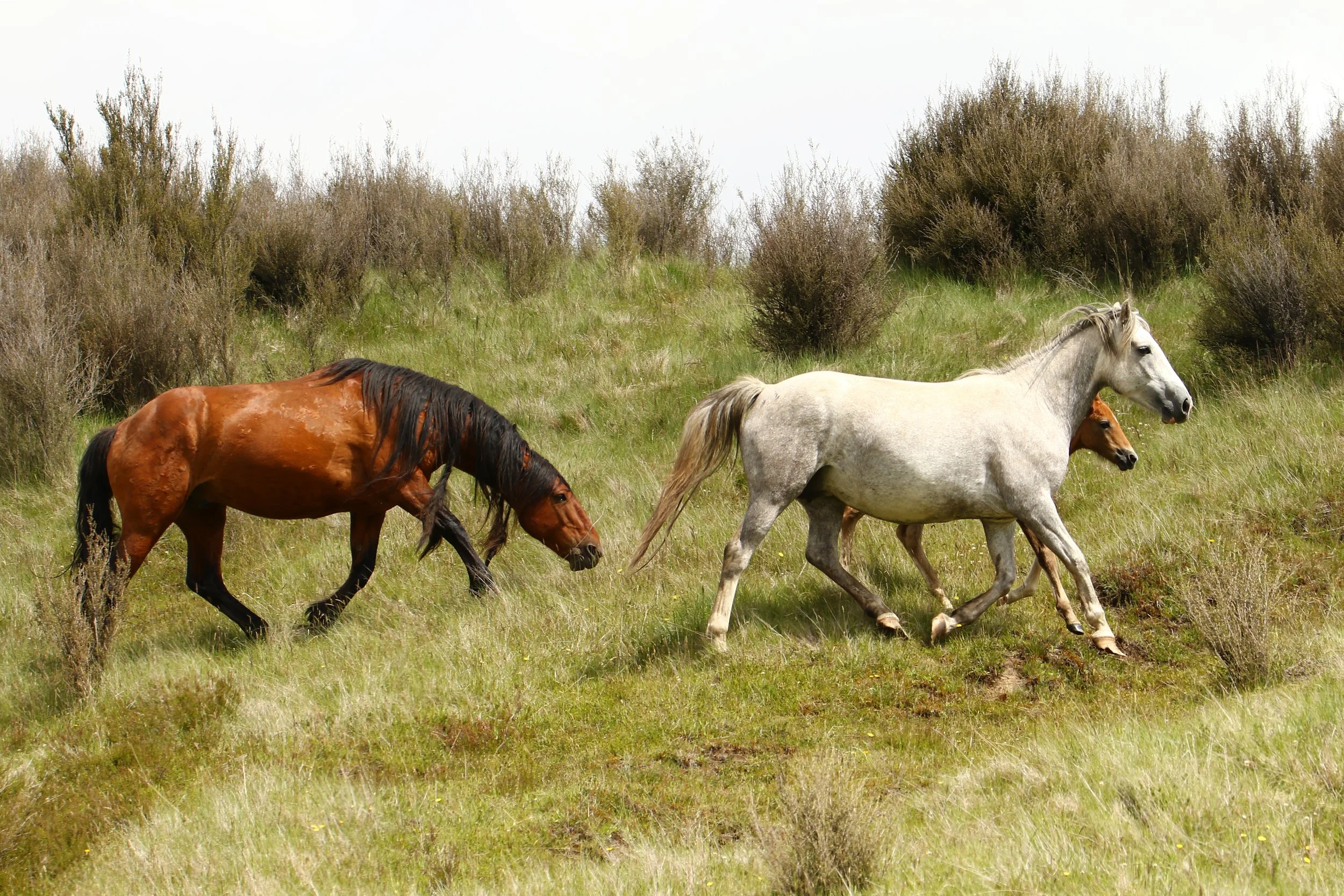
A Very Special Opportunity
The Kaimanawa Ranges are part of the Waiouru Military Training Area and much of the region is normally closed to the public.
Each year, Kaimanawa Heritage Horses offers a limited number of public bus trips into the ranges, providing a rare opportunity to see the horses in their natural environment and learn more about the land, the muster and the history of the area.
The 2026 Kaimanawa Ranges tours will take place on 4, 5 and 6 December.
Having experienced these trips myself, I can honestly say they are worth doing for far more than the photographs.
Yes, if you're a photographer, the opportunity is incredible.
But standing in the ranges and seeing the horses moving through their own landscape gives you a much better understanding of why their story is so important. You see the scale of the country. You see the habitat they depend on. You begin to understand the challenges of managing a wild herd here.
And you get to see the horses as they really are.
Wild.
Independent.
Curious.
And completely at home.
The Kaimanawa story isn't a simple one.
It is a story about history, horses, people, conservation, welfare and a landscape that deserves protection.
It is also a reminder that conservation is rarely about choosing one thing to save.
Sometimes it is about finding a way for several important things to exist together.
The wild horses are part of New Zealand's history and cultural landscape. The unique plants and ecosystems of the ranges are part of our natural heritage. And the people working behind the scenes, from those managing the herd to those finding homes and supporting horses after the muster are an important part of the story too.
Every time I return to the Kaimanawa Ranges, I leave with more photographs.
But more importantly, I leave with a little more understanding of what it means to keep these horses wild, healthy and part of this extraordinary landscape.
And perhaps that is the best reason to go.
Not simply to see the horses.
But to see where they belong.
Learn more about Kaimanawa Heritage Horses and the work they do for the welfare of the horses:
Kaimanawa Heritage Horses
Kaimanawa Ranges Tours — December 2026:
Tours are being held on 4, 5 and 6 December 2026, with the opportunity to travel into the normally restricted ranges and see the horses in the wild.