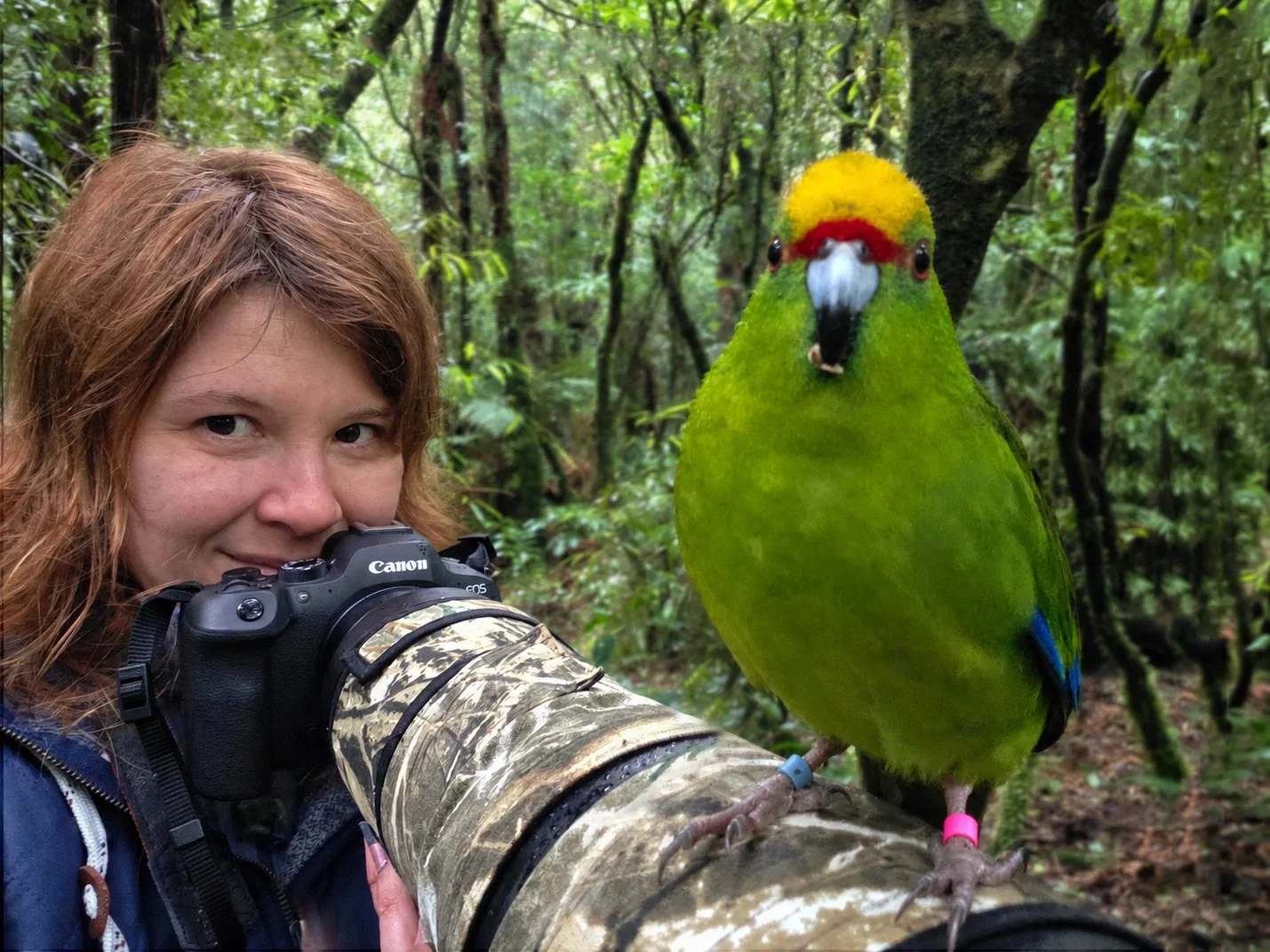
Some birds you raise, you remember and some birds become part of your story. For me, PB- short for Pink Blue, his unique leg-band combination has always been one of those birds.
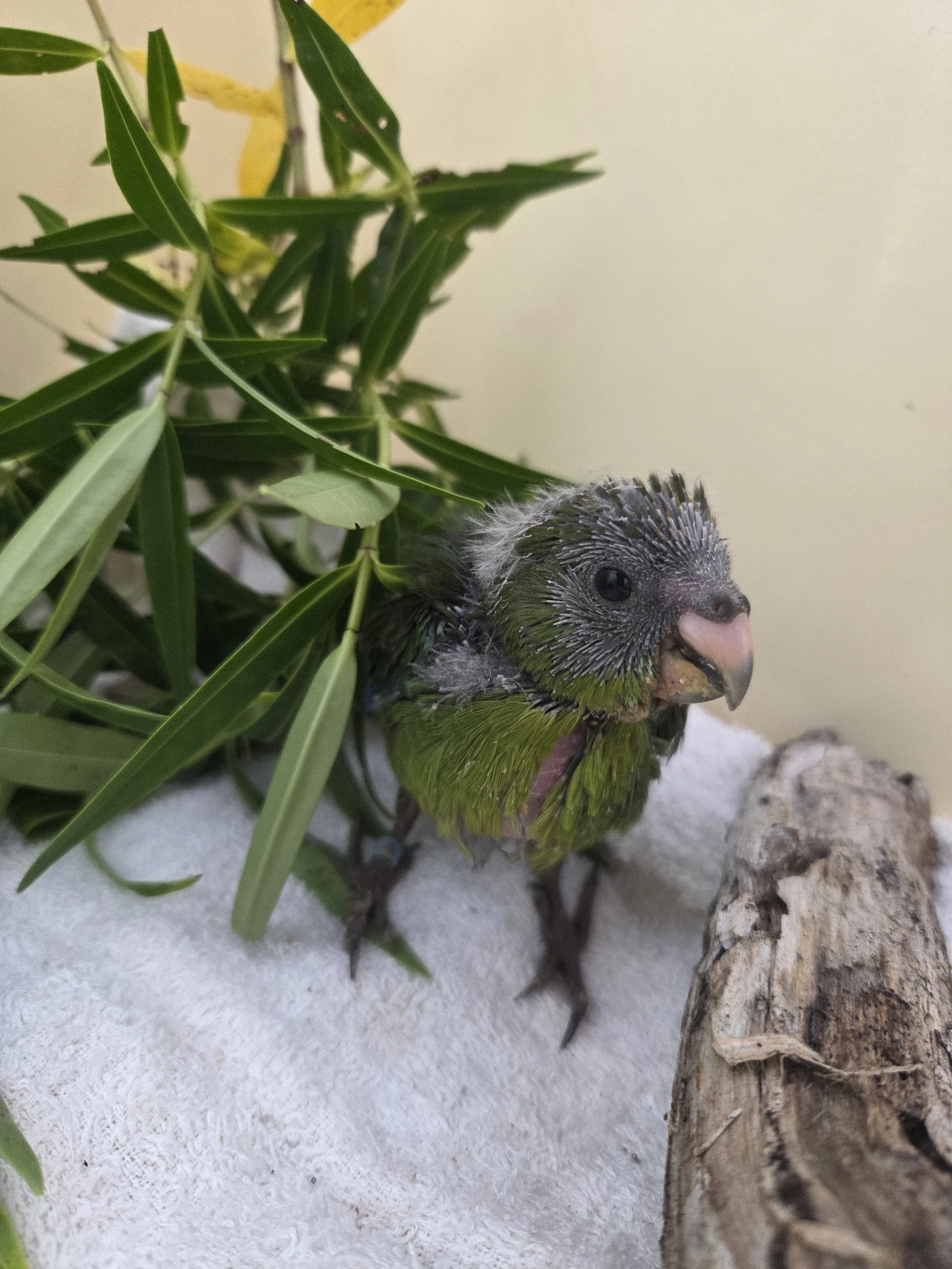
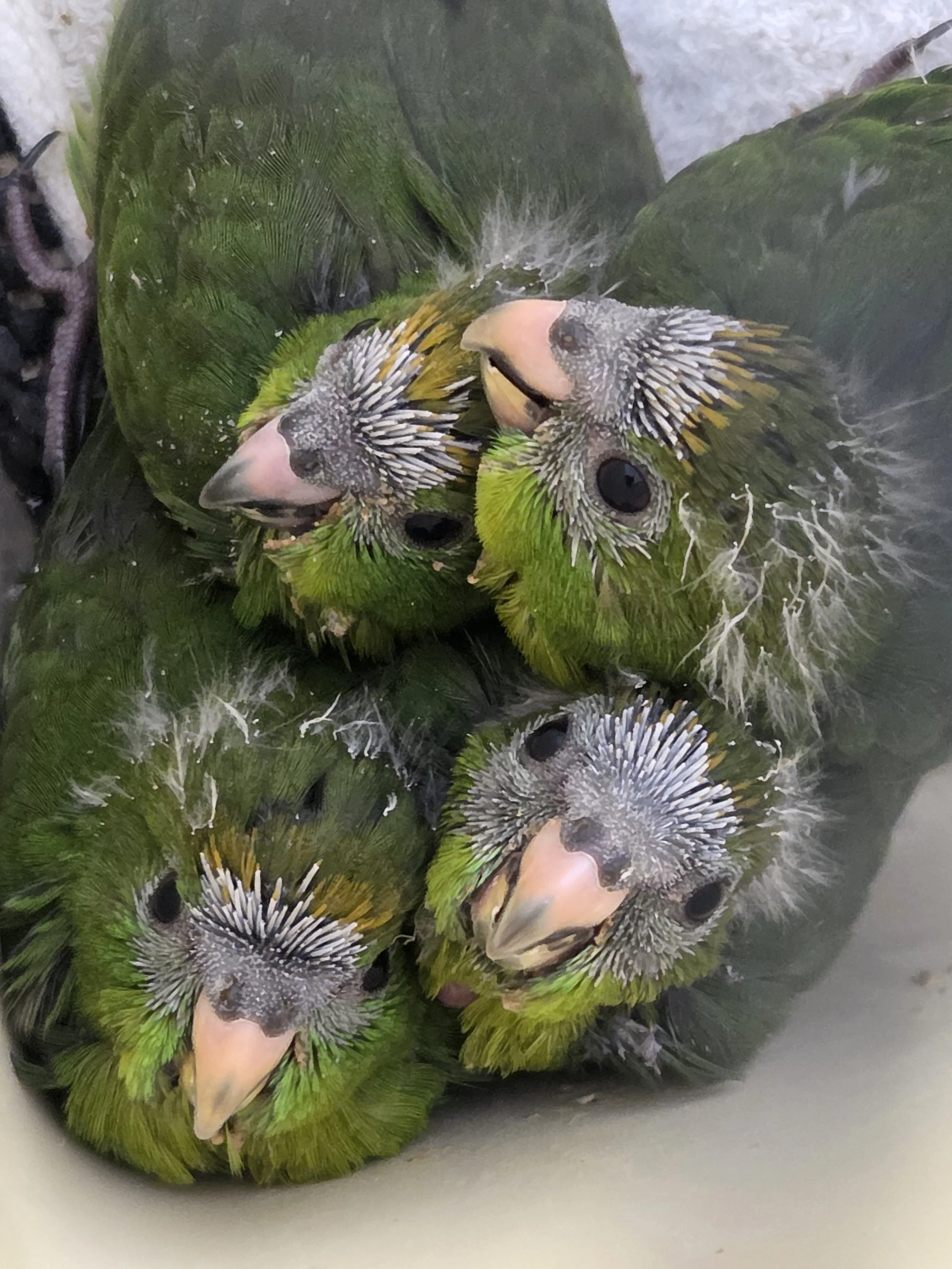
From the very beginning, he was a little character. PB and his siblings were brought in for hand-rearing at Pūkaha after a storm caused significant damage to their parents’ aviary. The damage was so extensive that their mum abandoned the nest, seemingly believing that the nest itself had been lost. The chicks were brought in to be finished raising, and that’s where my relationship with this little family began.
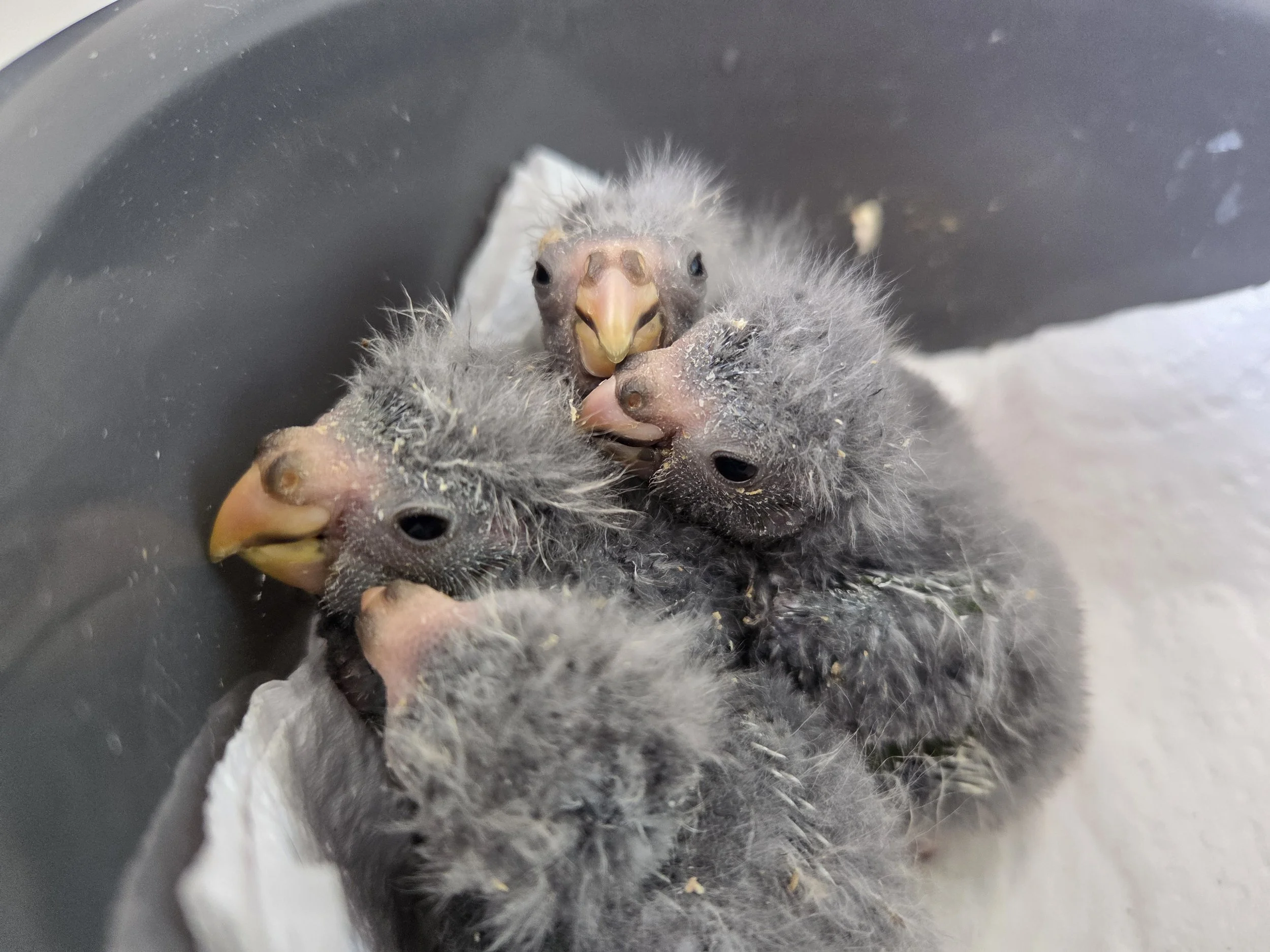
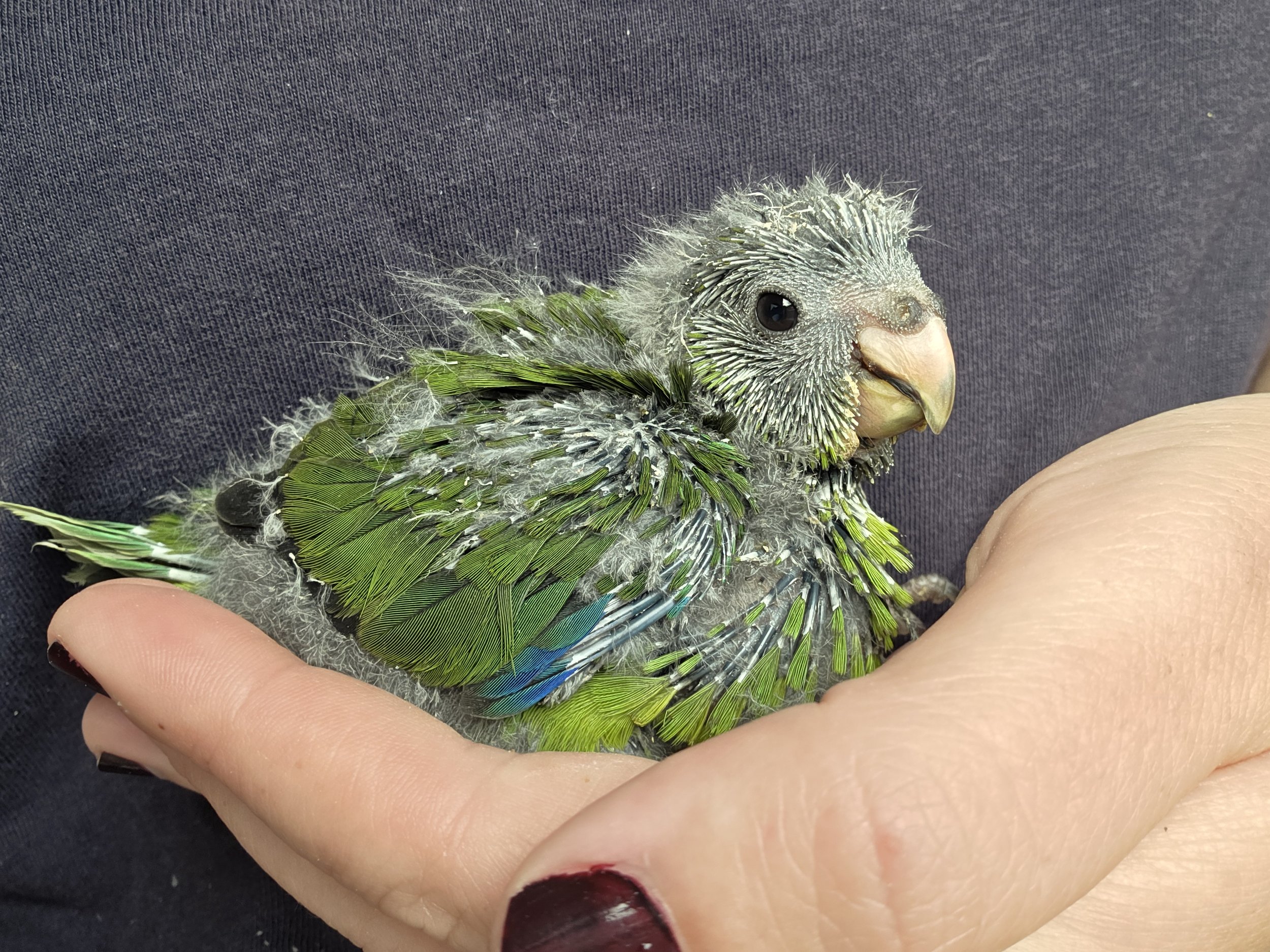
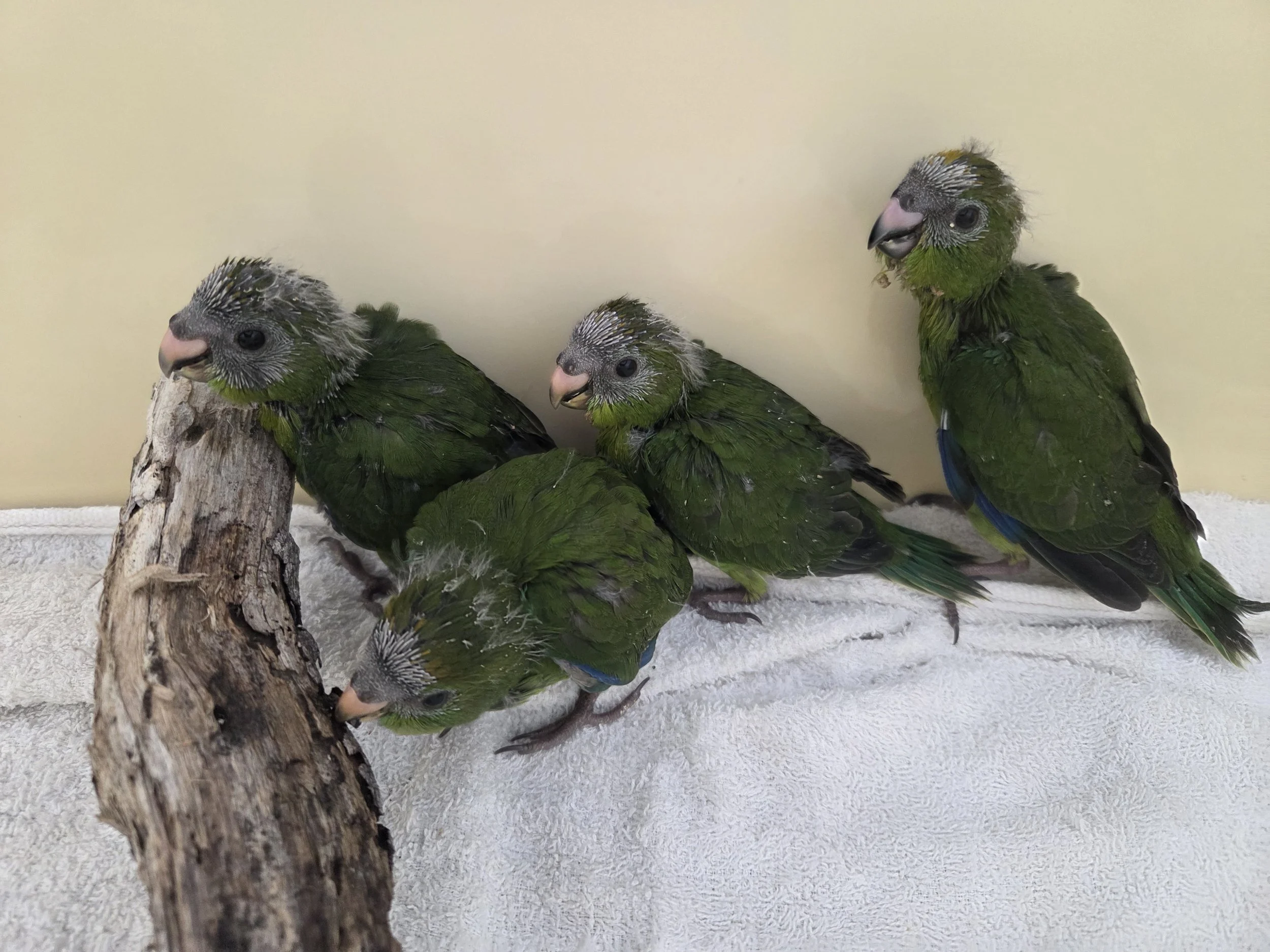
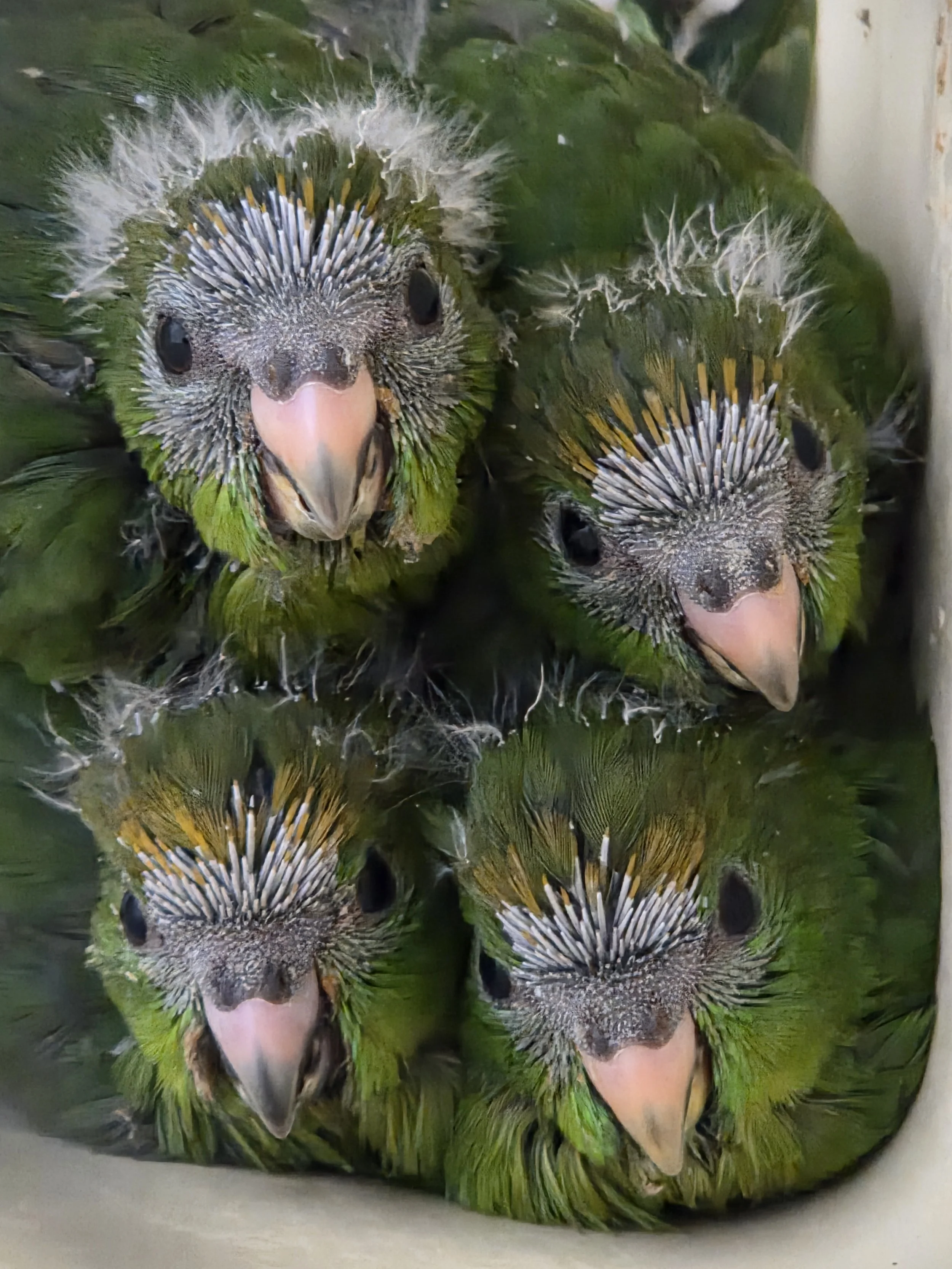
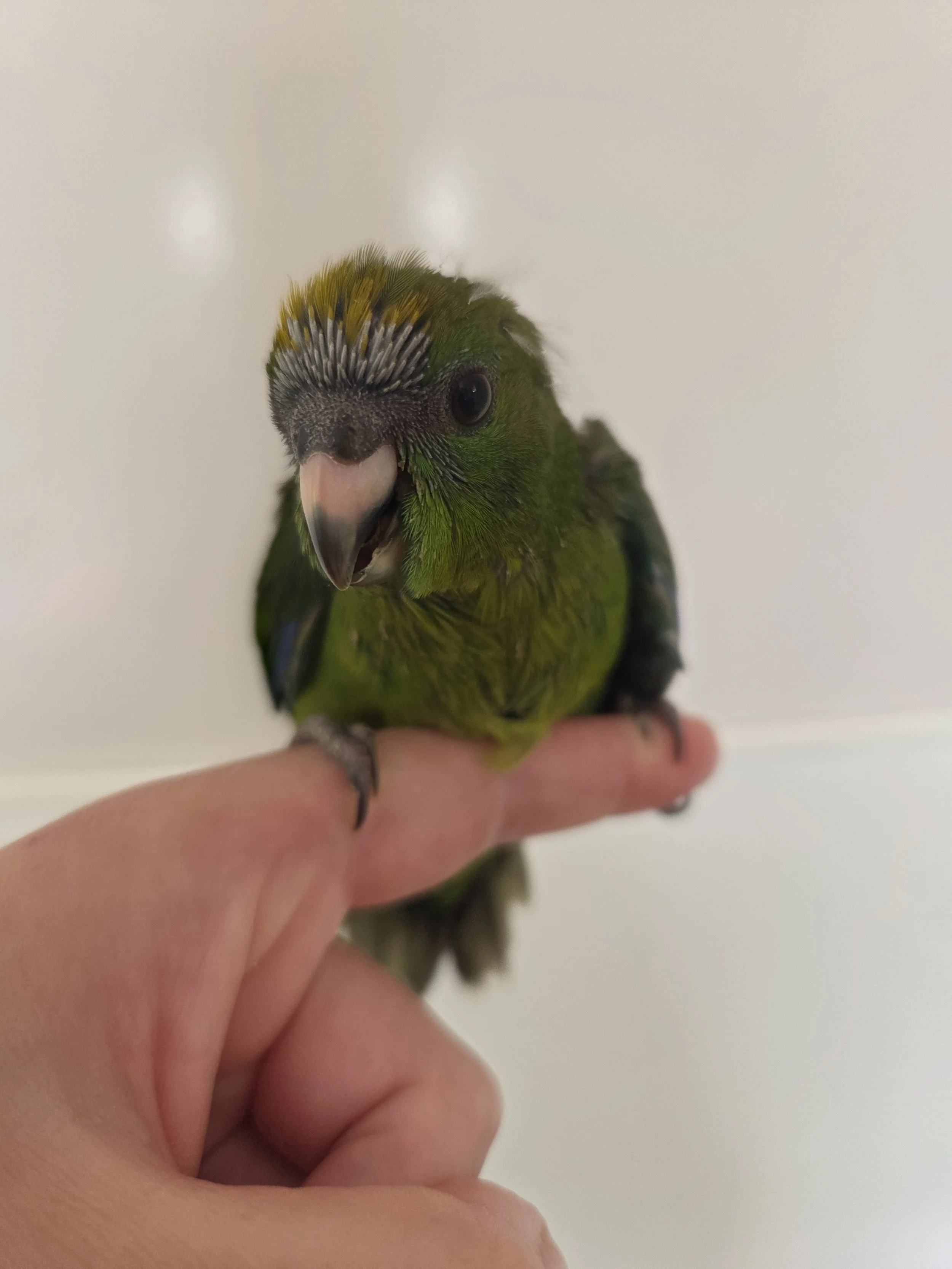
PB, named after his colour band combination (pink/blue), moved into the spare aviary with two other girls from a previous clutch. The three quickly became the best of friends. PB was always a particularly handsome little guy, but he wasn't what you would call a close-encounter bird. He was perfectly happy being around people, chatting away and watching what was going on, but he wasn't interested in sitting on you or being fussed over.
And then came the storm.
One morning, a branch tore a huge hole through the aviary. When I arrived to do my morning feed round, I was thrilled to spot what I thought was a wild kākāriki nearby. Then another appeared.
And another.
It took me a moment to realise that two of the birds were the girls from the aviary. And then I saw the hole.
PB and his friends had escaped. There was no realistic way to catch all three birds and safely get them back into a cage, so we made the decision to let them remain free and monitor them as best we could, and that's where PB's story gets rather special.
Because PB didn't disappear.
He comes back.
Every day, he visits.
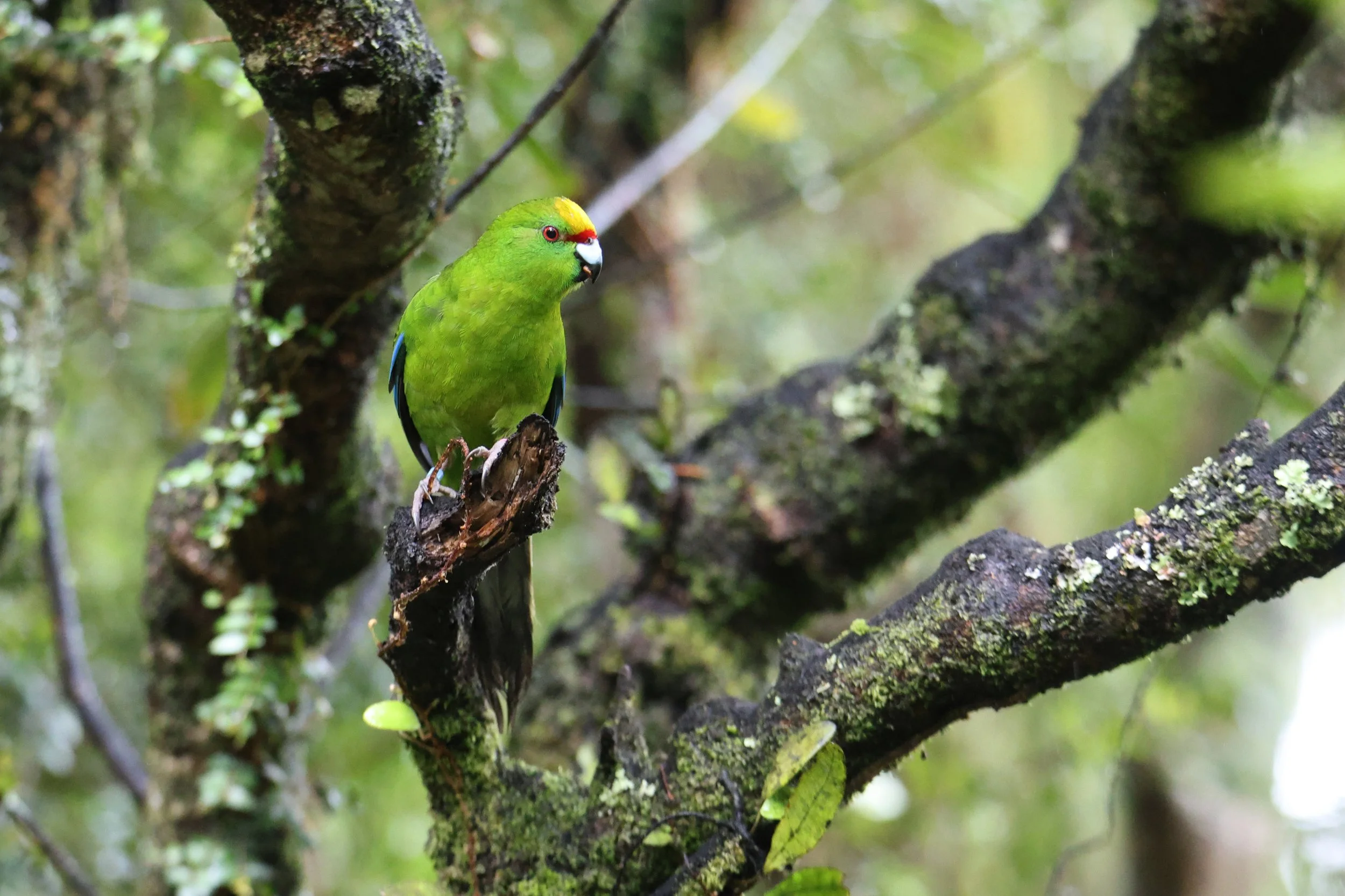
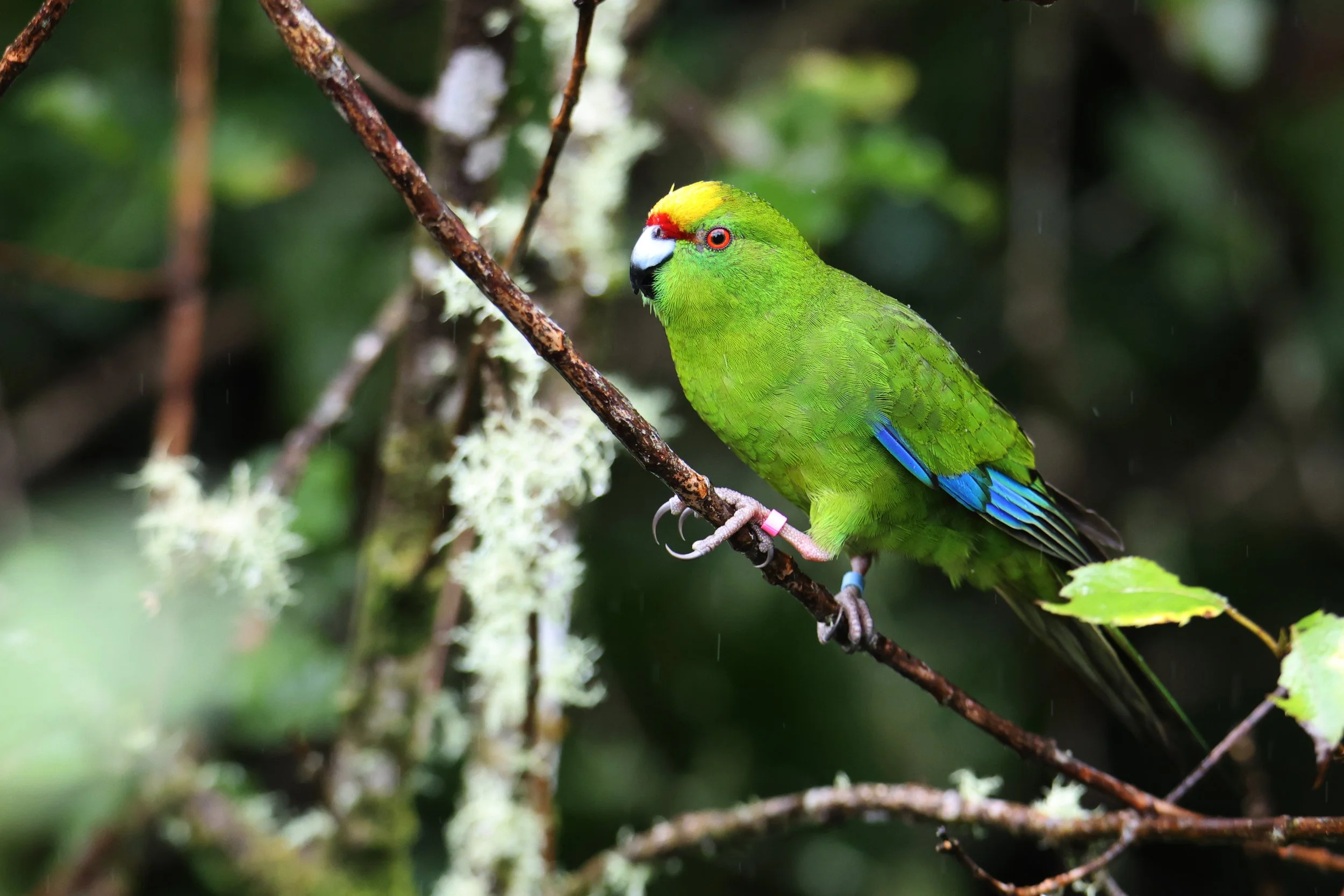
He'll drop in for a quick snack, spend some time around the centre, and often joins us for the daily kākā feed. You can usually hear him before you see him, happily chattering away somewhere in the trees, and then there's something even more interesting… PB rarely comes alone, he has started bringing other wild kākāriki with him!
At Pūkaha, more than 200 kākāriki have been released over the years, and every individual bird has its own unique combination of coloured bands. Those combinations allow us to identify individuals and, importantly, help us keep track of the birds once they are living freely in the reserve.
Of course, with more than 200 birds out there, I don't recognise every combination immediately. The regular visitors become familiar faces, or more accurately, familiar bands, but others can disappear into the forest for months or even years. PB has become a rather unexpected little connector. Some of the kākāriki that arrive with him are birds I haven't seen since they were released. Suddenly, a bird I thought had disappeared into the forest turns up again, happily sitting alongside PB. So while his escape was certainly not part of the plan, PB has inadvertently become part of our ongoing monitoring of the wild kākāriki population.
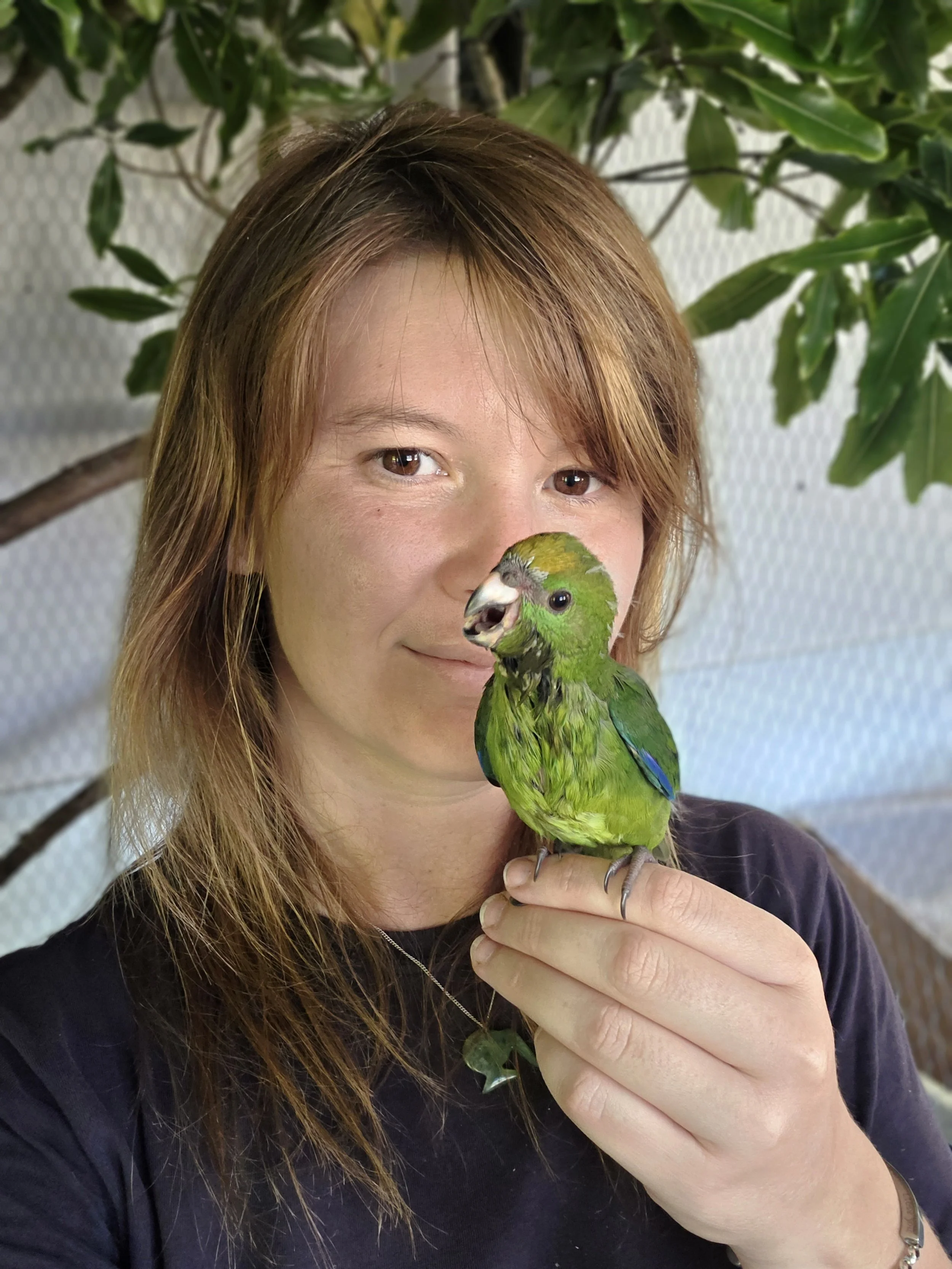
He is still doing what he was originally raised to do: connecting people with kākāriki.
Only now, he's doing it on his own terms.
Instead of being the ambassador bird I imagined he would become, PB is out there living his best wild life, flying through the forest, chatting to his friends, dropping in for lunch and occasionally bringing a few old acquaintances along with him and every time I see that flash of colour in the trees and recognise those familiar bands, I'm reminded of just how special it is to watch a bird you've helped raise become part of the wild population.
PB may have escaped the aviary.
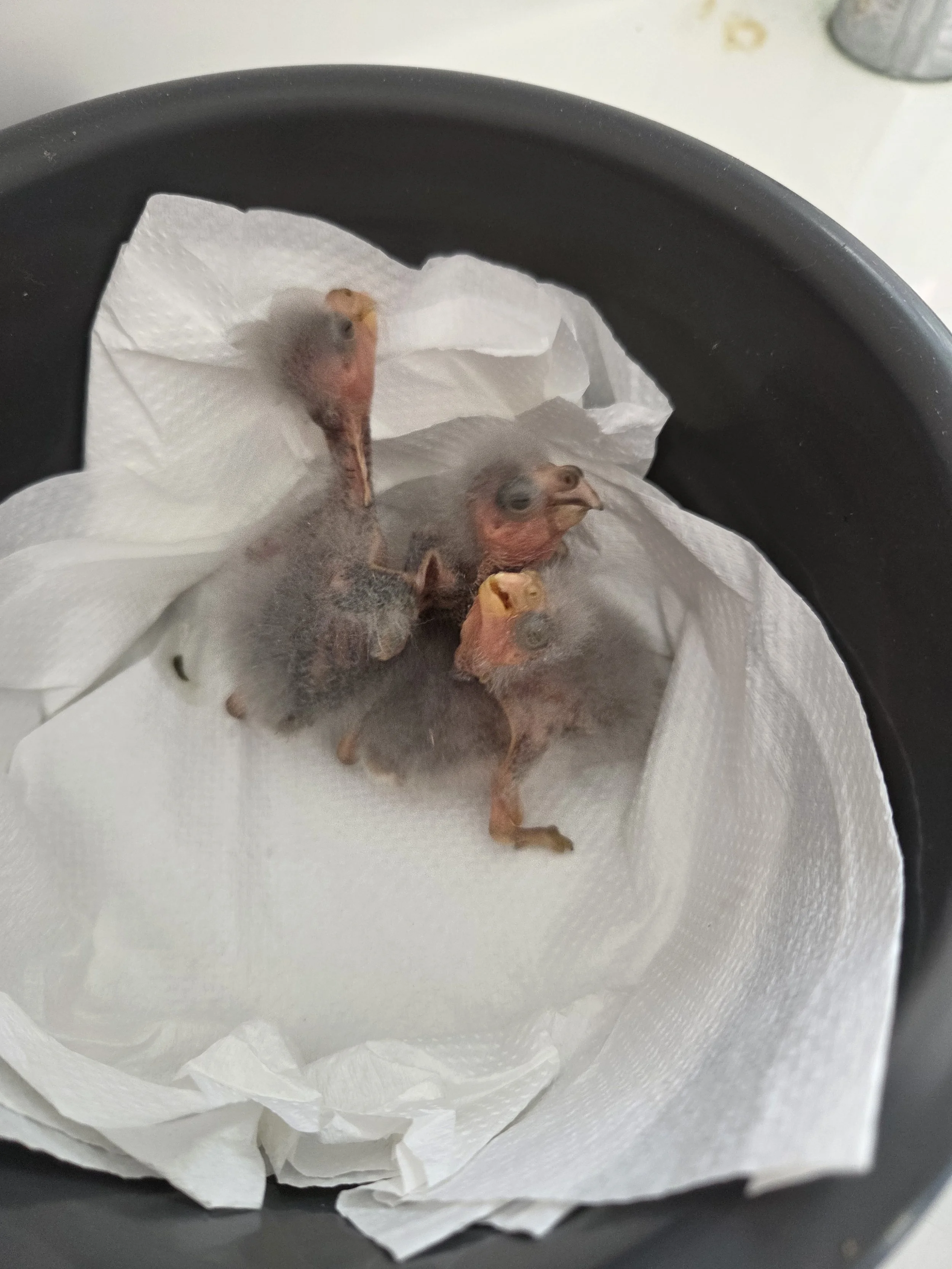
But perhaps, in his own little way, he never really left us. He just changed his role. From hand-raised chick…
to ambassador…
to wild kākāriki…
and now, unexpectedly, one of our little feathered population monitors.
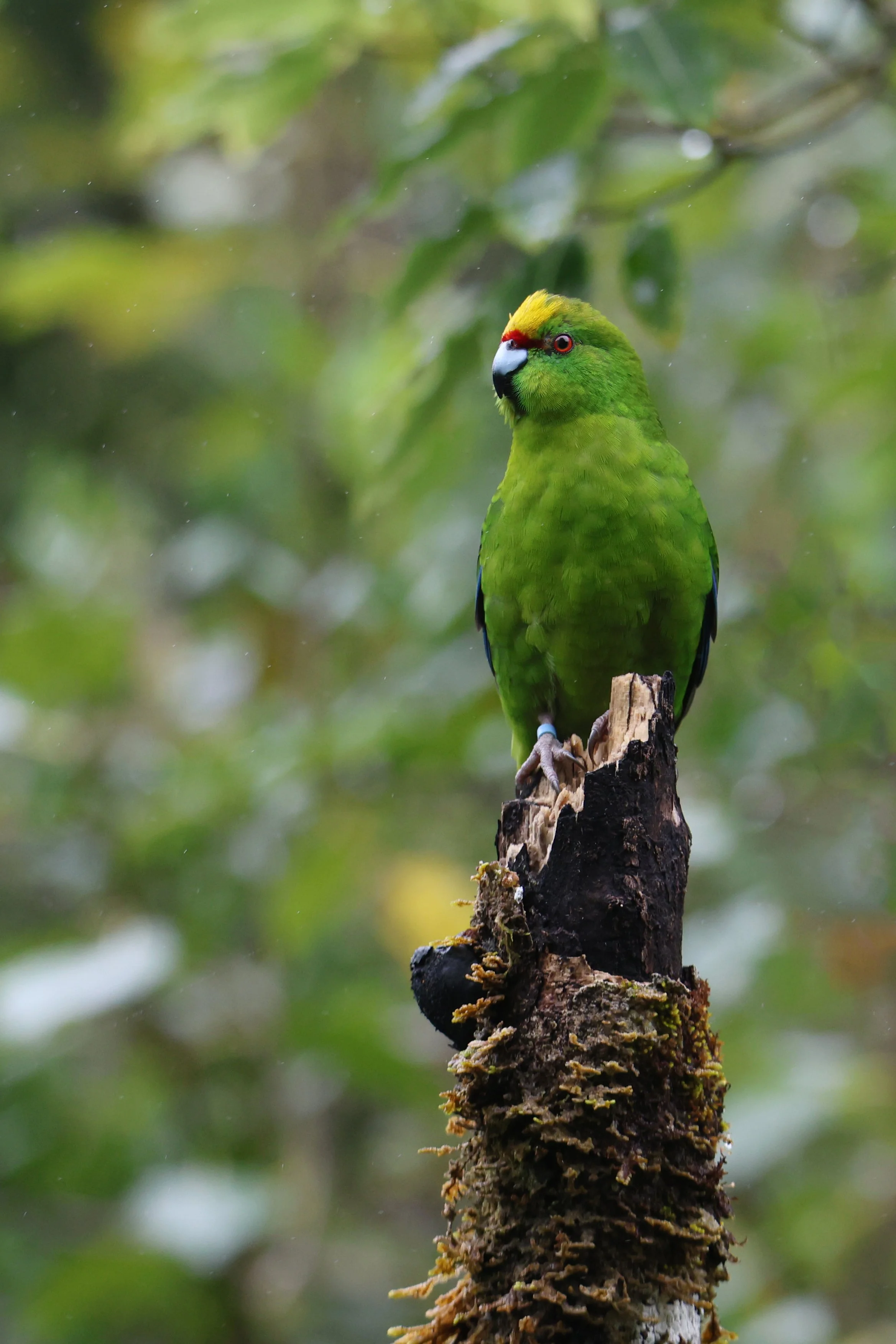
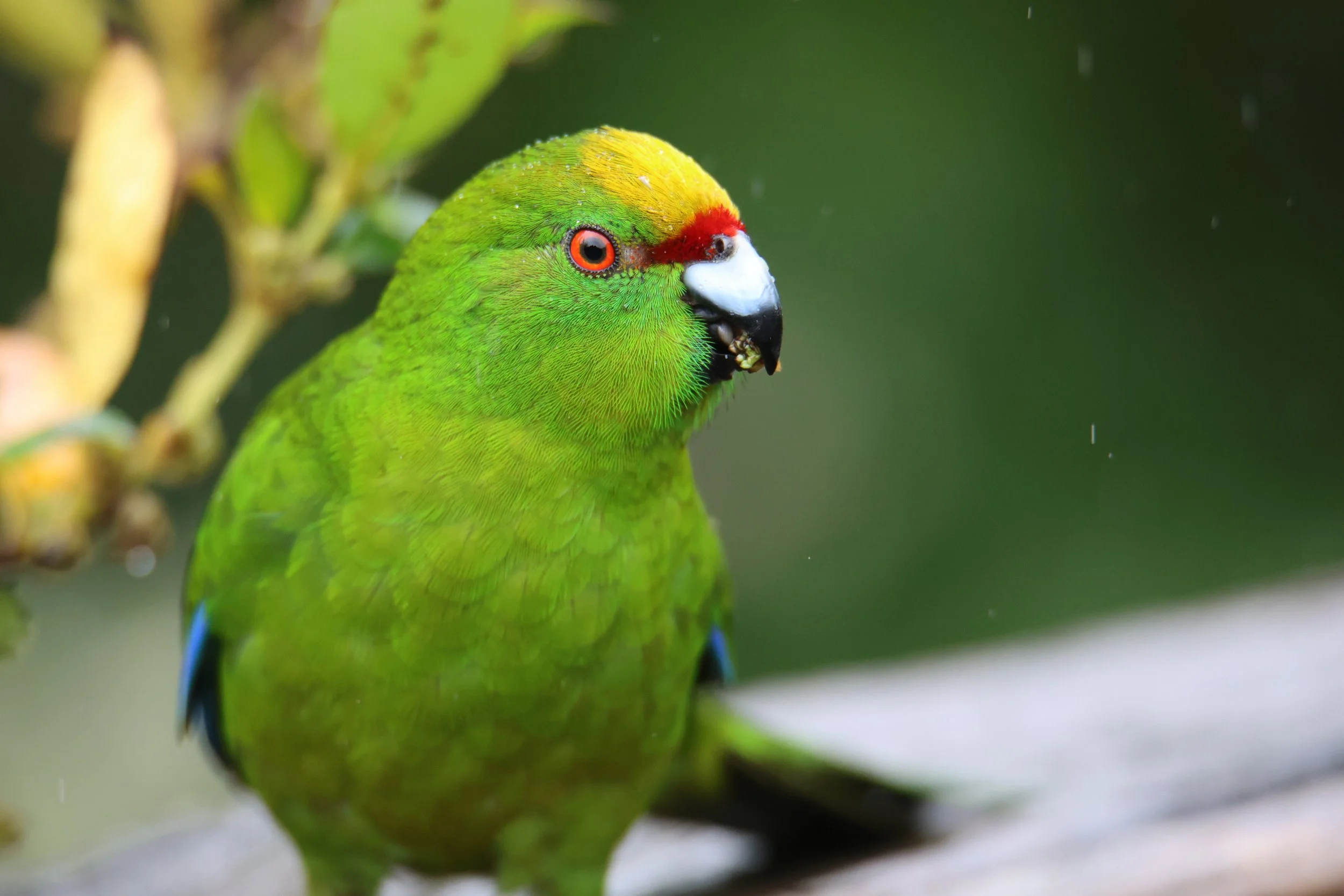
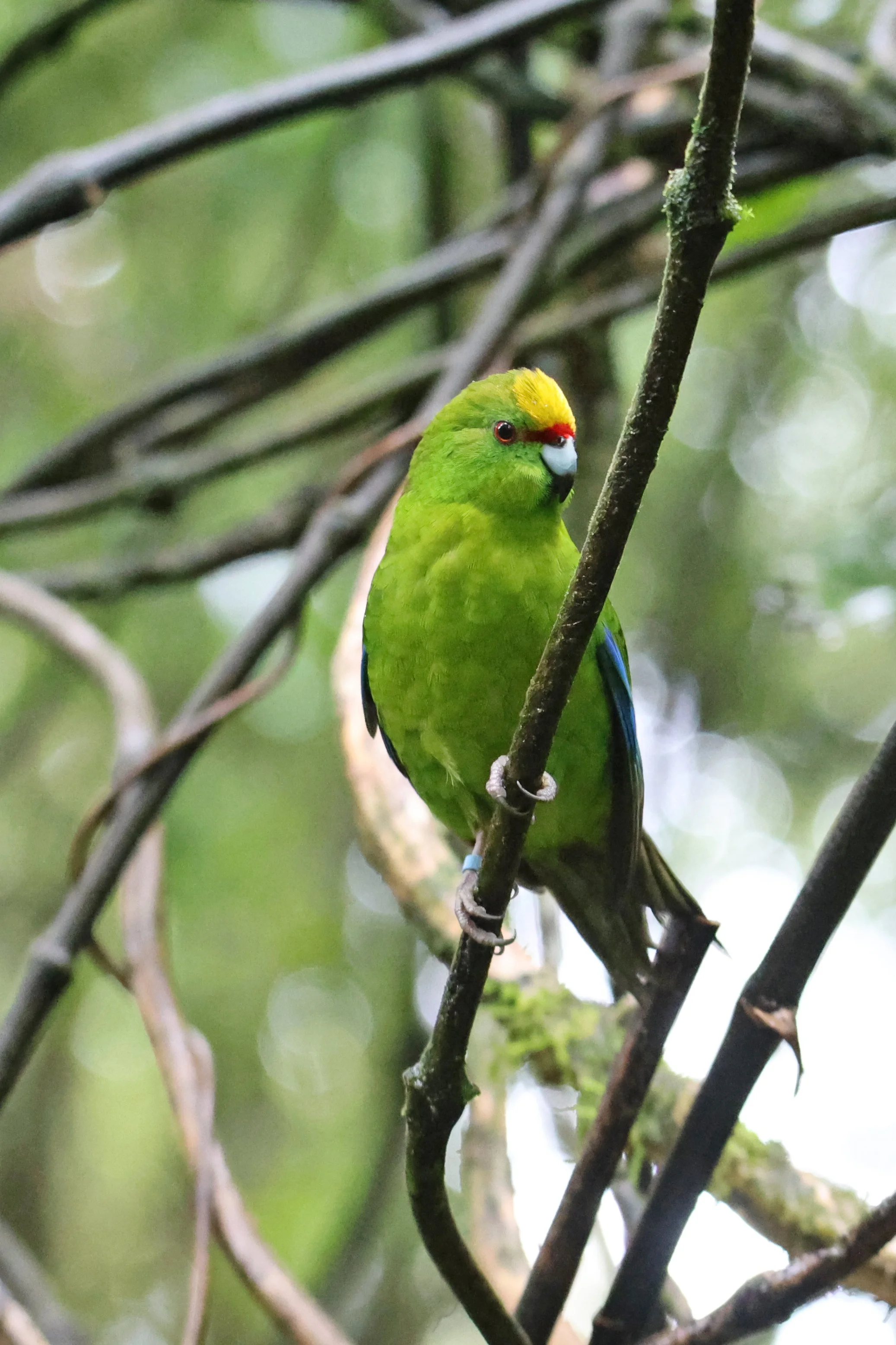
Good boy, PB. 💚