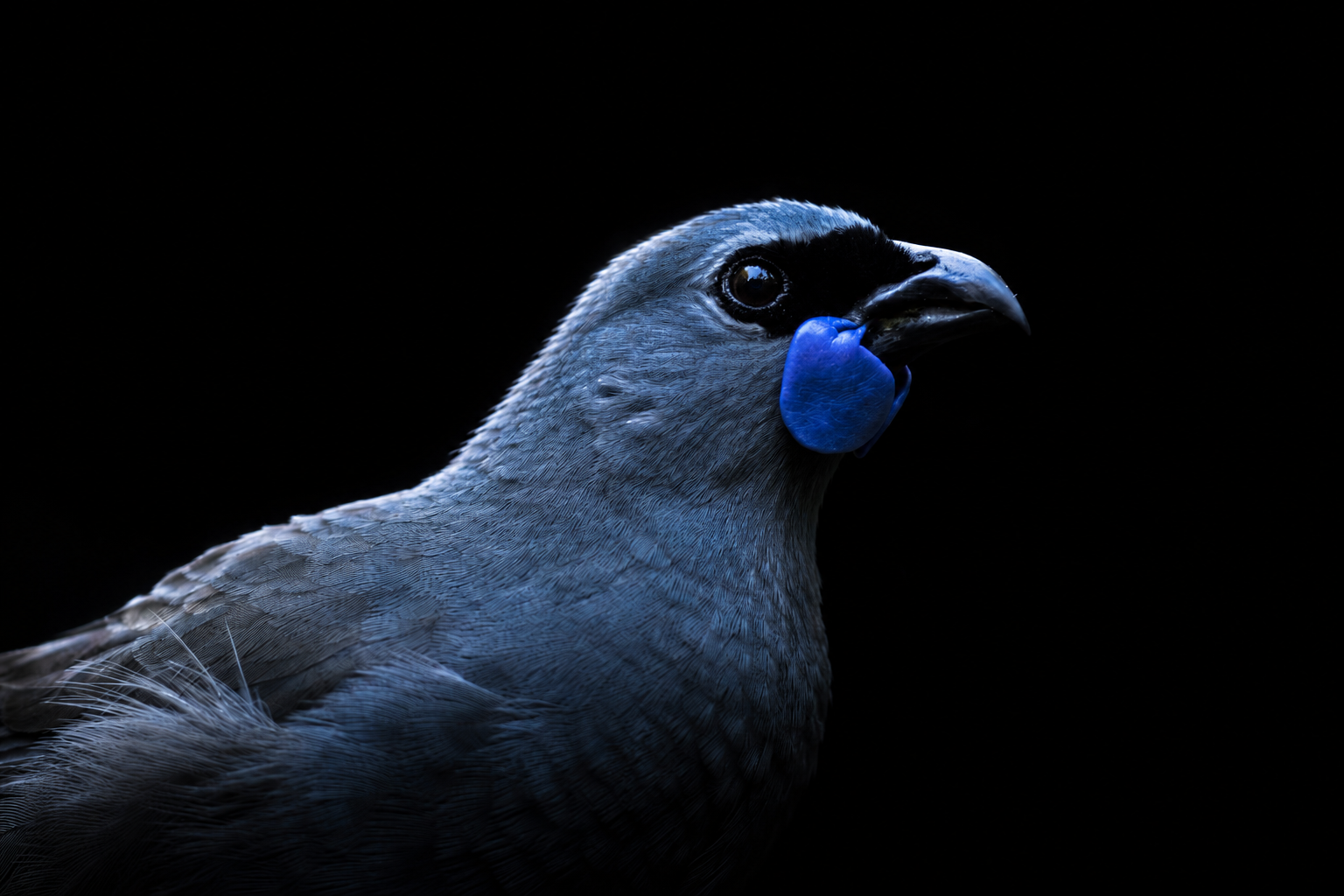
Finding meaning in the birds we encounter, and learning to listen a little more closely.
There are some sounds that stay with us long after they've faded into the distance. For me, one of those sounds is the haunting call of the kōkako. I have spent much of my life surrounded by birds. As a wildlife photographer and conservationist, I have the privilege of observing them, learning their behaviours and sharing their stories with others. My work has always been about more than taking a photograph. It's about connection: understanding the wildlife we share our world with, appreciating the lives of individual animals and reminding ourselves why protecting them matters. But sometimes, a bird can mean something to us that goes beyond what we see through a camera lens.
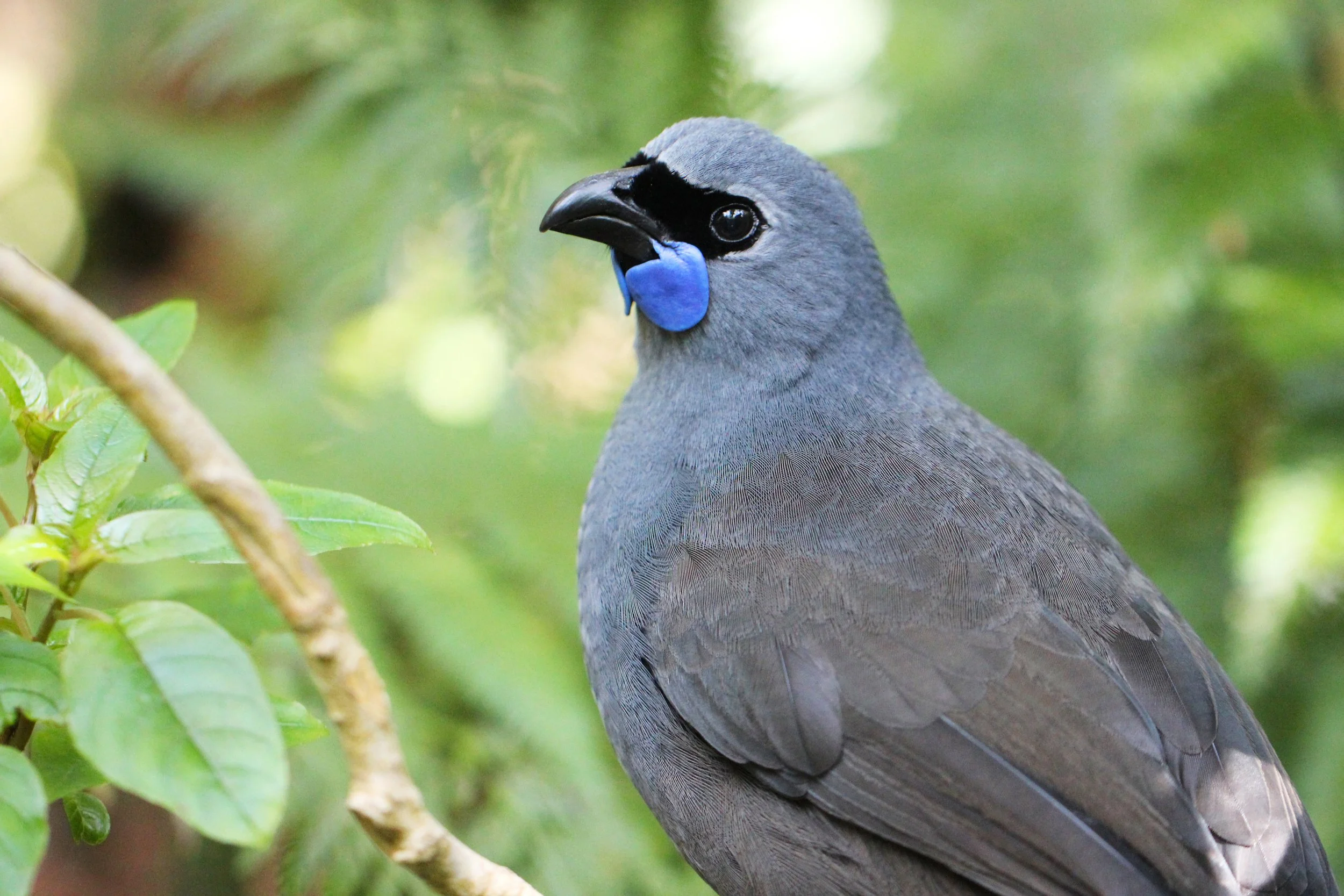
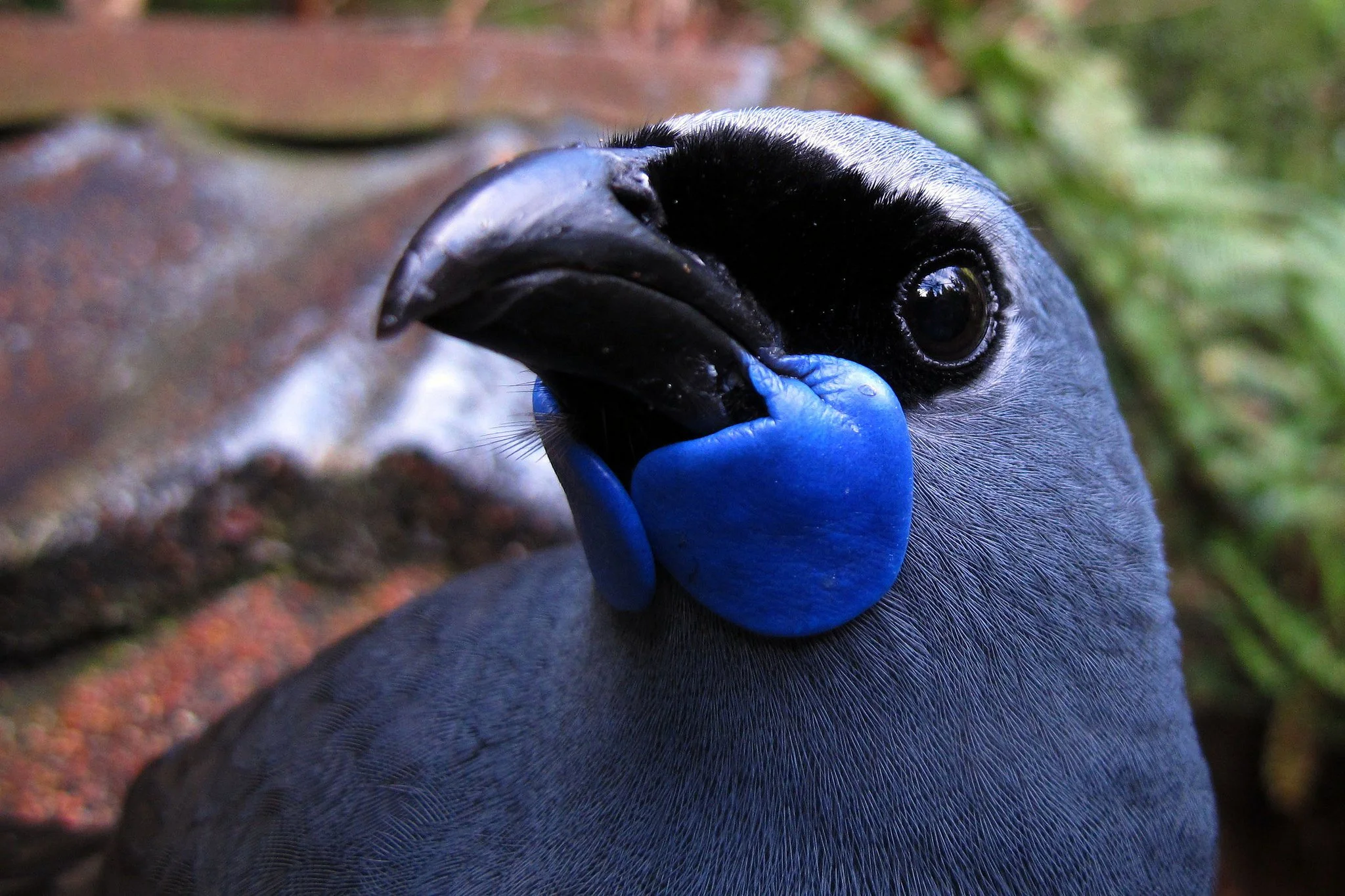
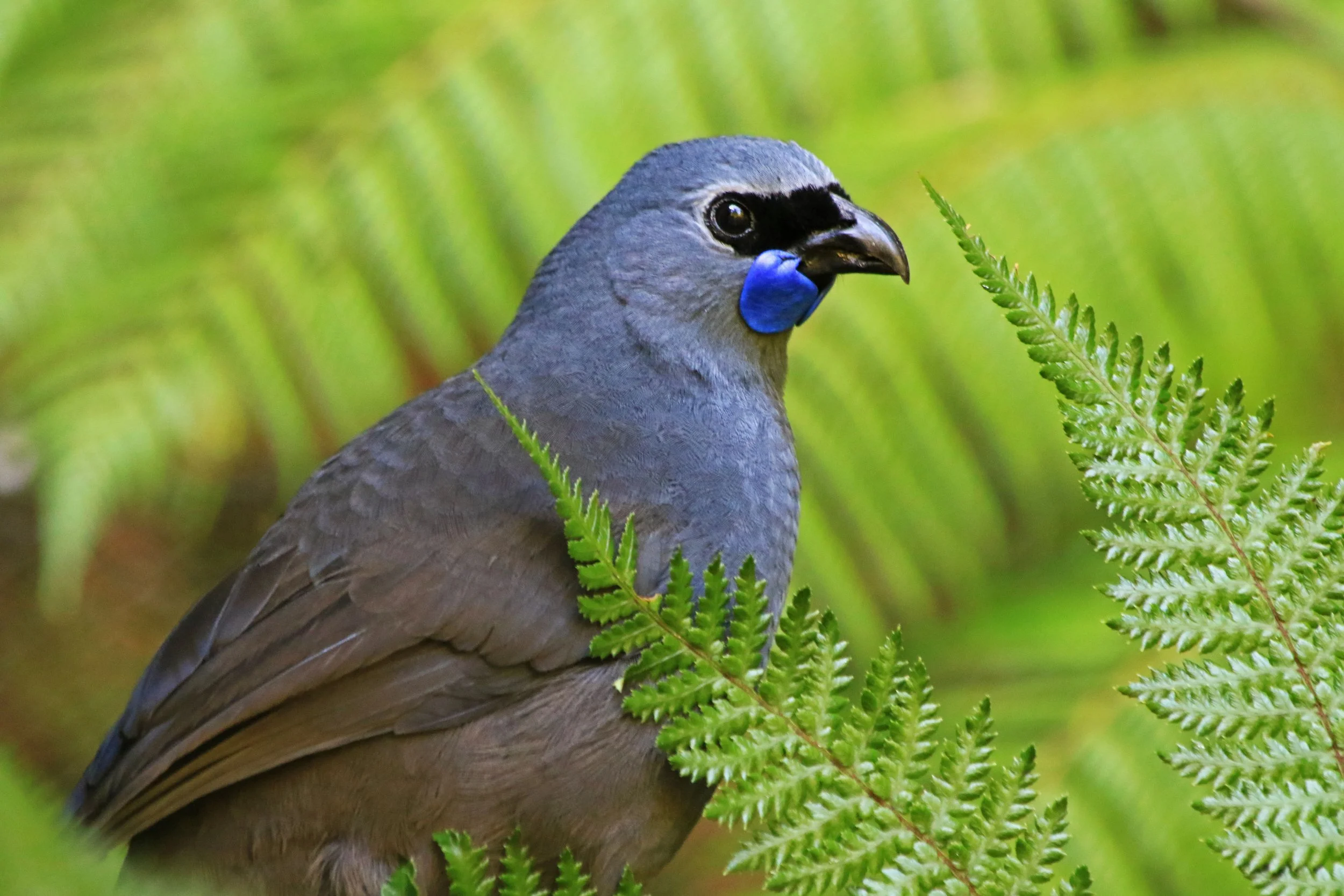
For me, that bird is the kōkako.
A bird that changed my perspective
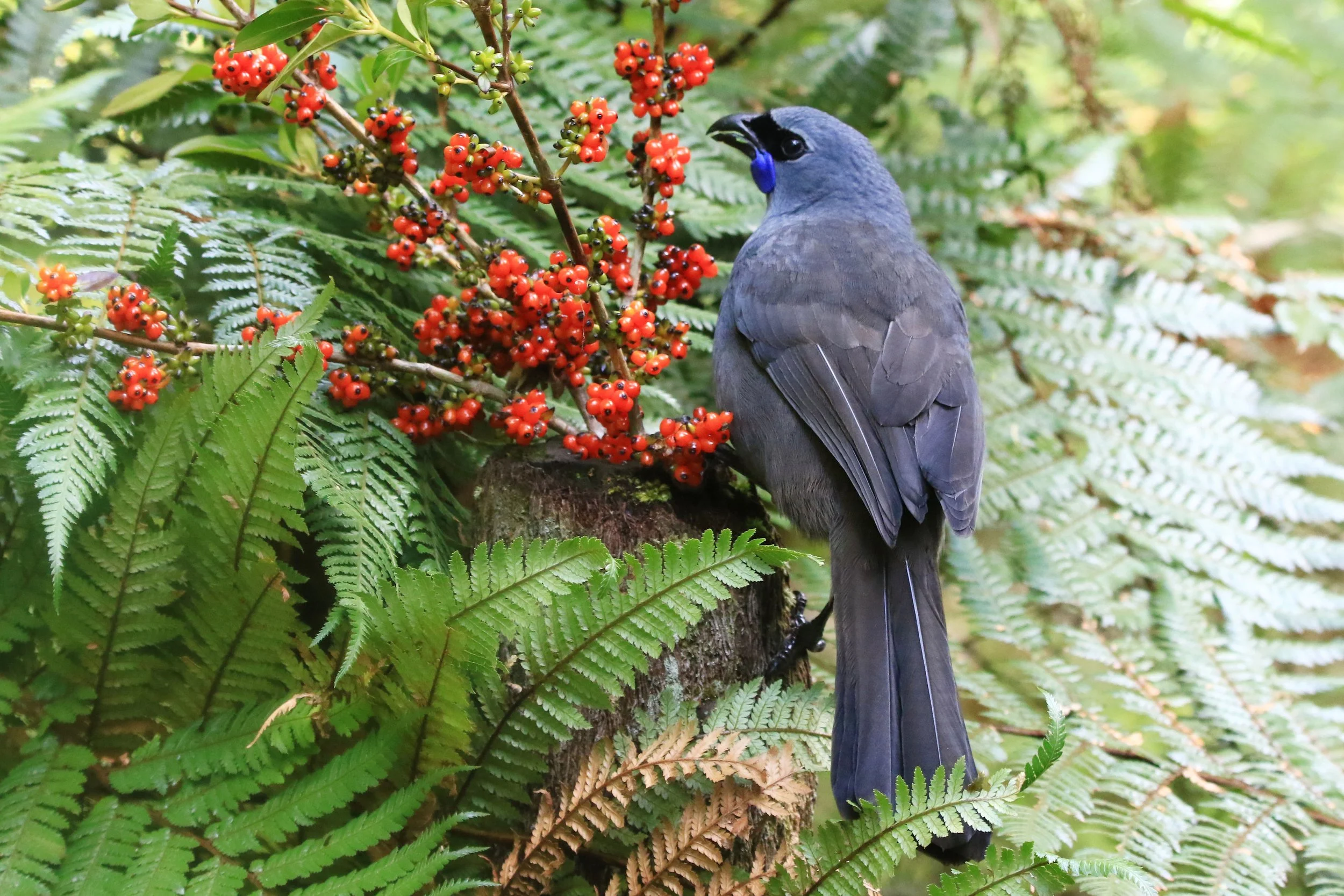
I once knew a very special kōkako named Kahurangi. Kahurangi had a personality all of her own. She would greet me with little clicks and a soft “koookakoo”, and sometimes, she would have a little stick ready when I opened her door, deliberately placing it into my hand. She trusted me to hold her, feed her and be near her nest and eggs.
These were small, everyday moments, but they meant the world to me.
Kahurangi taught me so much about patience, trust and the importance of understanding the individual animal in front of you. She reminded me why I chose to work with wildlife in the first place. Losing her was incredibly difficult, I was left with grief, unanswered questions and a deep sense of loss. For a time, I questioned whether I could continue doing the work I loved.
And yet, it was the call of wild kōkako that repeatedly brought me back to my reasons for being there.
I would hear them when I was feeling lost in my thoughts, questioning myself or wondering what I was doing with my life. Their calls seemed to interrupt those moments and bring me back to something I knew mattered deeply to me. I couldn't explain why these encounters affected me so much. I only knew that they did. I began to wonder whether there was a name for this way of experiencing the world.
Discovering ornithomancy
That's when I came across a word I had somehow never encountered before: ornithomancy.
Derived from the Greek words ornis, meaning bird, and manteia, meaning divination, ornithomancy refers to the interpretation of birds and their behaviour as signs or omens. In ancient Greek and Roman traditions, birds could be observed for meaning in their calls, flight paths, movements and appearances. Different traditions developed their own practices and interpretations, often connecting the behaviour of birds with questions about the future or decisions that needed to be made.
Birds have long occupied a fascinating place in human imagination. They move between earth and sky, appear unexpectedly and make themselves known through sounds that can travel much further than we can see. Across different cultures, they have been associated with everything from wisdom and transformation to warning, hope and renewal. These meanings vary enormously, and each tradition deserves to be understood in its own context.
Ornithomancy is not a scientifically established way of predicting the future. But discovering the concept gave me a new way to think about something I had experienced for years: the feeling that certain encounters with birds arrive at moments when I need to stop and pay attention.
Perhaps I had been searching for a word without even realising it.
Not every sign needs to be a warning
When we hear the word omen, we might immediately think of something dark or foreboding. In popular culture, omens are often portrayed as warnings of something terrible about to happen. But what if we allowed ourselves to approach them differently? What if an encounter with a bird didn't have to mean that something bad was coming? What if it could simply be an invitation to pause, reflect and notice what is happening within us?
A bird appearing when we're feeling uncertain might remind us to trust our own judgement. A familiar call might bring us back to the present when our thoughts are running in circles. Watching a bird move freely through its environment might inspire us to consider where we need more freedom in our own lives. These interpretations don't have to be predictions, and they don't need to be universal truths.
They can be personal.
I don't believe every bird encounter needs to carry a hidden message. Birds have their own lives, behaviours and reasons for being where they are. Sometimes a kōkako is simply calling to another bird, a fantail is catching insects, or a kererū is looking for its next meal, and that is beautiful in itself. But we can recognise the natural explanation for an encounter while still allowing it to mean something to us.
For me, the call of the kōkako has become a reminder of why I do what I do. It brings me back to my love of wildlife, to the lessons Kahurangi taught me and to the things I want to protect. I don't need to know whether there is something more to those moments. I can simply acknowledge how they make me feel and what they encourage me to remember.
Learning to listen
One of the things I love most about wildlife photography is that it teaches us to slow down. We learn to watch for subtle movements, notice changes in behaviour, listen for calls and become aware of things we might otherwise walk straight past. We spend time waiting, often without knowing whether the moment we're hoping for will ever arrive. In that waiting, we become more attentive.
When a bird catches your attention, perhaps you could take a moment before reaching for your camera. Notice its behaviour. Listen to its call. Pay attention to what you were thinking about before it appeared, and how you feel in that moment. You don't have to search for an answer. You don't have to decide that the encounter means something profound.
Simply ask yourself:
What can I notice right now that I wasn't noticing before?
Perhaps you're reminded of something you love. Perhaps you realise that you've been pushing yourself too hard. Perhaps the encounter gives you a moment of peace in an otherwise difficult day, or perhaps you simply enjoy watching a beautiful bird going about its life. All of those things have value.
For me, the most important part isn't trying to predict what will happen next. It's allowing these moments to bring me back to the present, reconnect me with what matters and encourage me to keep moving in a direction that feels meaningful. Sometimes, the reminder we need isn't to change course at all. It's to keep going.
A little more room for wonder
Every day I am learning more about ornithomancy. I'm at the beginning of exploring its history, its different interpretations and what it might mean within my own life. What I do know is that my connection with birds has always extended beyond photography. They have taught me patience, challenged my assumptions and given me some of the most meaningful experiences of my life.
Kahurangi remains a part of that story.
When I hear a wild kōkako, I still think of her. I remember our quiet moments, her little sticks and her unmistakable calls. I remember why I fell in love with these birds, and why their future matters so much to me. I may never fully understand why those particular calls seem to reach me when I need them most. But perhaps I don't have to. Perhaps I can let them be a reminder to listen, to notice, to stay present and to remember what matters.
This is where my exploration of ornithomancy begins: not with a search for certainty, but with curiosity, reflection and a willingness to find meaning in the natural world without needing to explain everything, and if sharing this journey encourages even one other person to slow down, listen a little more closely or look at the birds around them differently, then I think that is something worth exploring.
After all, sometimes a bird doesn't need to tell us what the future holds.
Sometimes, it simply reminds us to be here for it.
For Kahurangi — my Miss Kahu, who taught me more than she could ever have known.
This article shares my personal experiences and reflections. Ornithomancy is explored here as a historical and personal practice, not as a scientifically established method of predicting the future. The birds we encounter remain wild animals with their own behaviours and lives, whether or not we find personal meaning in those encounters.